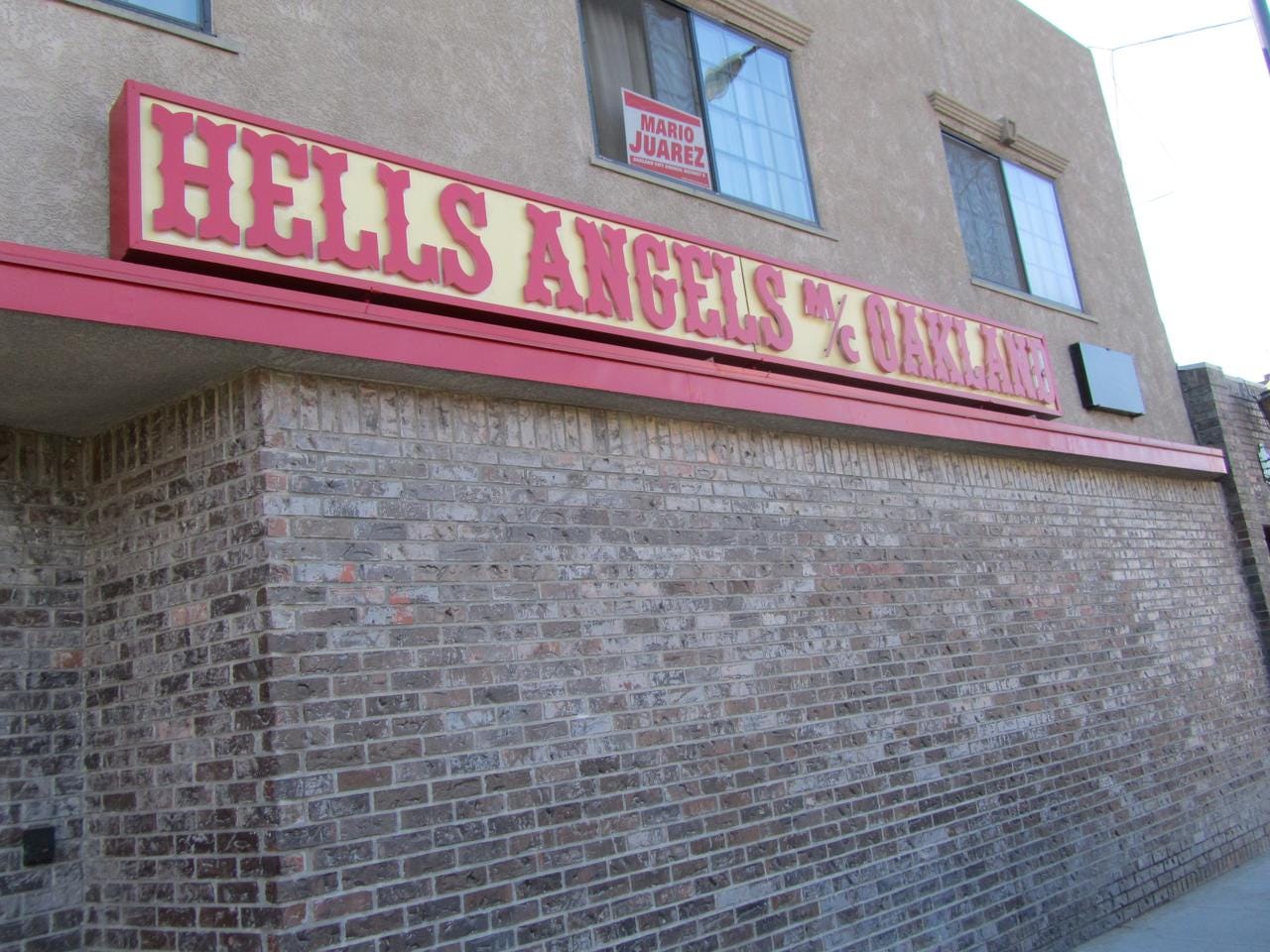
The year 1957 changed the Hells Angels story. Oakland’s new chapter—and Sonny Barger’s rise—helped turn a patchwork of California club histories into a name recognized far beyond the state.
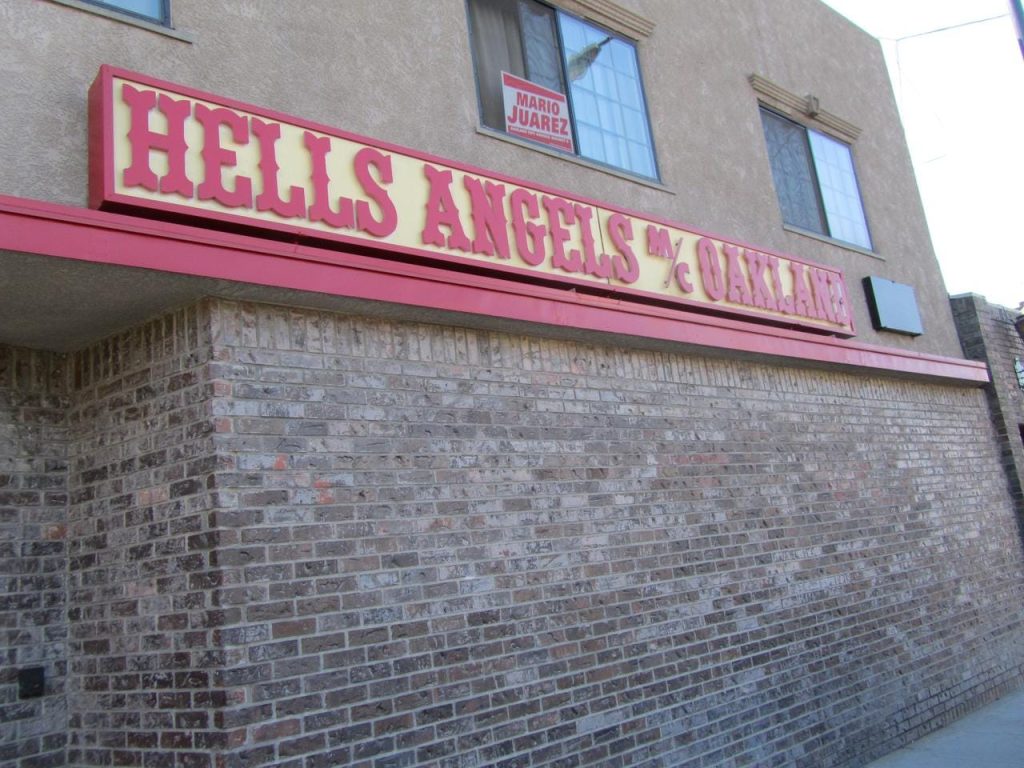
The transformation of the Hells Angels from a Southern California motorcycle club into a national symbol cannot be understood without Oakland.
In 1957, eighteen-year-old Ralph "Sonny" Barger helped establish the Oakland chapter.
A surviving Oakland police mugshot dated April 16 of that year captures Barger before he became a media figure. The image is useful because it anchors the legend to a real time and place.
Barger did not found the whole organization
Popular accounts often compress Hells Angels history into a single sentence: Sonny Barger founded the Hells Angels.
That is inaccurate.
Hells Angels groups already existed in Southern California before the Oakland chapter. Barger's importance came later, through organization, visibility and influence.
California POST training material describes the mother chapter shifting from San Bernardino to Oakland in the 1960s. Later reporting similarly identifies Barger as the figure who helped turn Oakland into the club's center of gravity.
Why Oakland mattered
Oakland offered the club something different from its earlier Inland Empire roots.
It was part of a large industrial Bay Area with ports, military traffic, working-class neighborhoods and a growing counterculture nearby. The chapter sat close to San Francisco just as the region was becoming one of the most watched cultural spaces in America.
The Hells Angels were not hippies, but their world would repeatedly intersect with the counterculture.
Barger became unusually skilled at managing those intersections.
A leader who talked to outsiders
Many closed organizations become famous through people who refuse to explain themselves.
Barger did almost the opposite.
He spoke to reporters, appeared in films, dealt with writers and later published his own books. His willingness to explain the club — on his own terms — made him useful to anyone trying to understand it.
That did not make his account neutral.
It made him a central source in the construction of Hells Angels mythology.
Structure and colors
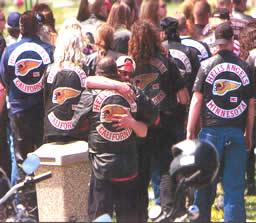
By the late 1950s and early 1960s, the recognizable elements of Hells Angels identity were becoming increasingly important: chapters, officers, colors, patches and membership status.
The colors were not decoration.
They marked belonging, hierarchy and territorial identity. Government photographs collected decades later show how visually standardized that identity became.
For outsiders, the effect was powerful. A group of men could enter a town, bar or public event and be recognized immediately.
From Oakland to national attention
The Oakland chapter would become central to the next phase.
In 1965, a California Department of Justice report transformed the Hells Angels into a national news story. Journalists then went looking for people who could embody the organization.
Barger was ready.
Hunter S. Thompson would spend time around the club and make Barger one of the central personalities in his book. Films and magazine features followed. The line between real organization and media symbol became increasingly difficult to separate.
The Oakland chapter did not invent the Hells Angels.
It helped create the version the world came to know.
A eighteen-year-old before the legend
The April 1957 Oakland police mugshot is one of the most useful images in the early Hells Angels archive because it predates the mythology. Barger is nineteen. There is no bestselling memoir, no Altamont, no international network and no decades of law-enforcement attention behind the face in the photograph.
That image also helps correct a common historical shortcut. Barger did not invent the Hells Angels name or create the first Southern California chapters. His significance came from what happened after Oakland was established: organization, visibility and the ability to turn a local chapter into a reference point for the wider club.
Oakland as a strategic location
The Bay Area in the late 1950s and 1960s was unusually important territory for a group built around motorcycles and public identity. Oakland was an industrial and port city with a large working-class population. San Francisco was across the bay and would soon become a global center of youth culture, music and political protest.
The Hells Angels were not a product of the hippie movement, but proximity mattered. Musicians, journalists, filmmakers and counterculture figures encountered the club because the same region was drawing national attention. That gave Oakland members an audience that earlier Southern California chapters had not possessed in the same way.
The chapter system becomes visible
The strength of a chapter system is that it allows local autonomy while preserving a common identity. Oakland could develop its own leadership and social network while still operating under Hells Angels colors.
For outsiders, those colors simplified a complicated organization. A journalist did not need to understand every local relationship to recognize the death's-head patch and chapter rocker. The same visual system that reinforced internal belonging also made the club easy to photograph, describe and remember.
Barger understood the power of that visibility. He became comfortable speaking publicly in a way many members of closed organizations are not. Reporters could quote him. Filmmakers could put him on camera. Writers could use him as a character through whom the club became comprehensible.
Leadership and myth
The historical record is often distorted by retrospective titles. Barger is frequently described as if he were the unquestioned national president of a conventional hierarchy. The Hells Angels were structured through chapters, and authority did not operate exactly like a corporation with a single chief executive.
What is clear is that Barger became exceptionally influential. Oakland's status grew, and later government material described the mother-chapter role as shifting north. Barger was central to that process.
The media relationship begins
The Oakland story is the point where the Hells Angels become legible to national media. By 1965, when a California Department of Justice report generated national headlines, reporters needed faces and voices. Barger provided both.
That relationship was never simple. Publicity could damage the club by attracting police attention and public hostility, but it also amplified the image of independence and danger that made the organization culturally magnetic.
The same cycle would shape Hunter S. Thompson's reporting. Thompson spent time around Hells Angels members because he wanted to get beyond the panic produced by official reports and sensational journalism. Barger's Oakland chapter became central to that access.
What Oakland changed
Oakland did not erase the earlier Southern California history. It changed the scale of the organization.
A small postwar club could remain regional. A chapter with a recognizable spokesman, a coherent visual identity and access to one of the most watched cultural regions in America could become something else entirely.
By the middle of the 1960s, the Hells Angels were no longer known only to motorcycle enthusiasts and California police. They were becoming a national symbol. The next step in that transformation would come not from the club itself, but from the state government.
What the record establishes — and what it does not
Barger helped establish the Oakland chapter in 1957 and became the club's most visible public figure.
Barger did not found every earlier Hells Angels group; claims that he founded the entire club flatten a more complicated history.
People and groups in this story
Don’t stop here
References
- LD 38 – Chapter 3: Organized Crime Gangs · California Commission on Peace Officer Standards and Training · View source ↗
- Sonny Barger, counterculture force and face of the Hells Angels, dies · Los Angeles Times · View source ↗
- The Rough Rider · Los Angeles Times · View source ↗
- Hells Angels leader Sonny Barger dies at age 83 · Reuters (syndicated by Yahoo Finance) · View source ↗