
Reader entry point
Goodfellas
The mob classic most viewers know as fiction is a heavily dramatized map of Henry Hill’s real criminal world.
Based on Wiseguy (1985) by Nicholas Pileggi.
Explore Mafia and gangster movies, crime series and documentaries inspired by real people and events. Follow each film into the documented cases, organizations and books behind its story, including where dramatization departs from the record.
The mob classic most viewers know as fiction is a heavily dramatized map of Henry Hill’s real criminal world.
Based on Wiseguy (1985) by Nicholas Pileggi.
These titles stay closest to named people, organizations and real undercover / power-struggle narratives.

Johnny Depp plays FBI agent Joseph Pistone, whose Donnie Brasco identity penetrated the Bonanno crime family for years and helped transform federal undercover work against the Mafia.

Robert De Niro plays both Frank Costello and Vito Genovese in a dramatization of the rivalry that reshaped New York Mafia leadership in 1957.
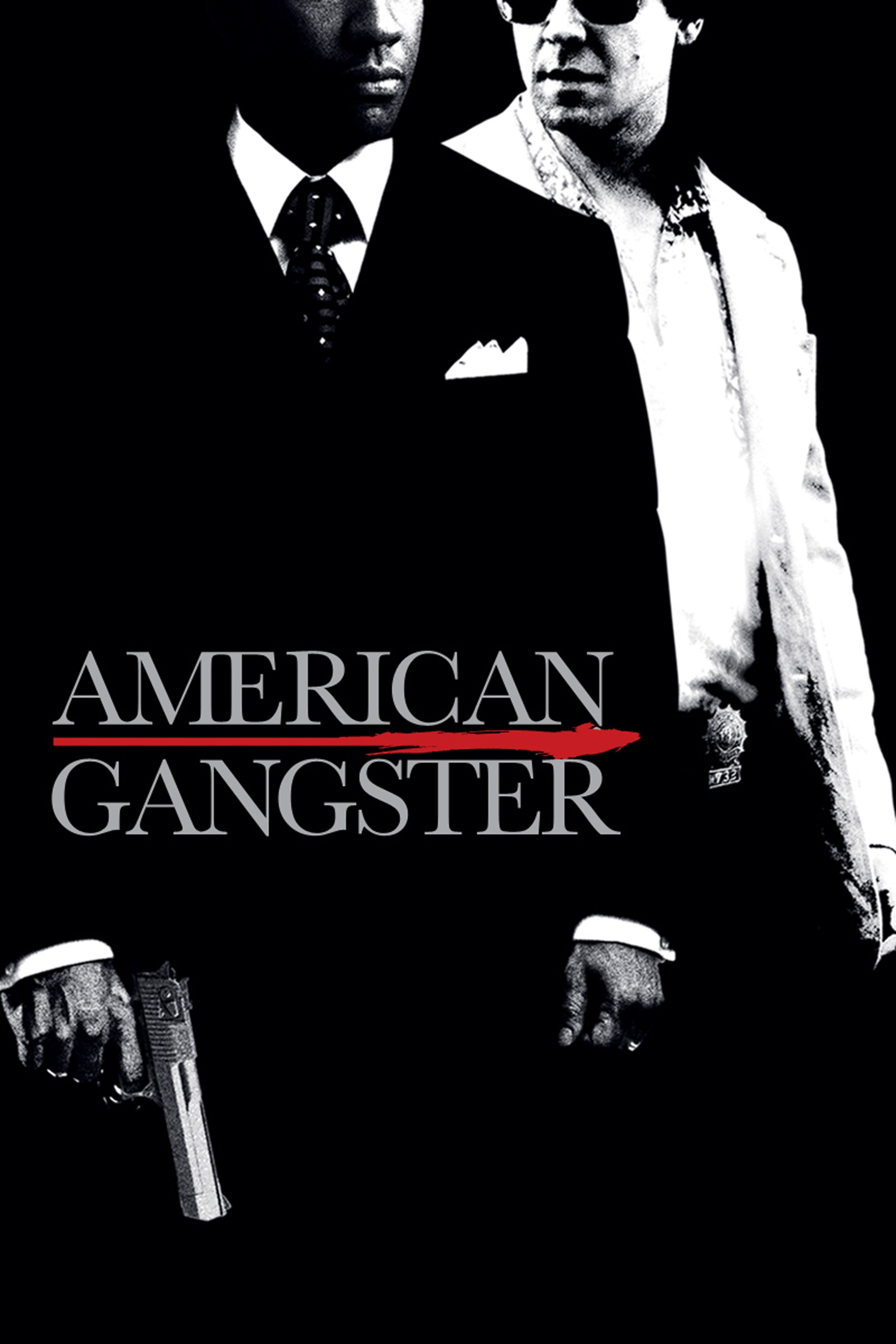
Frank Lucas was real; the movie’s clean rise-and-fall narrative is not a court transcript and should be read as dramatized biography.
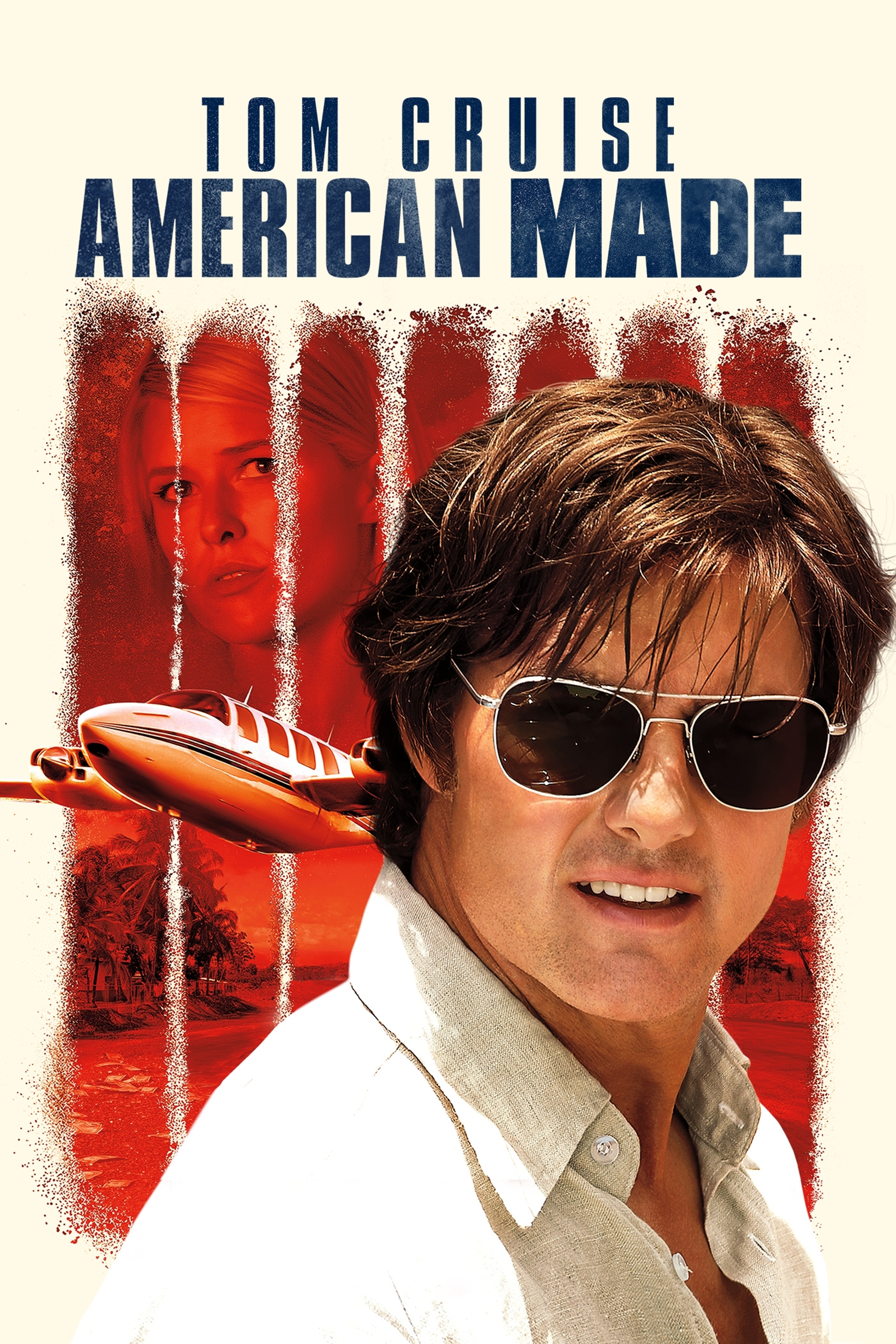
American Made gives RoguesBook a clean bridge from one pilot’s biography into the Medellín Cartel network.
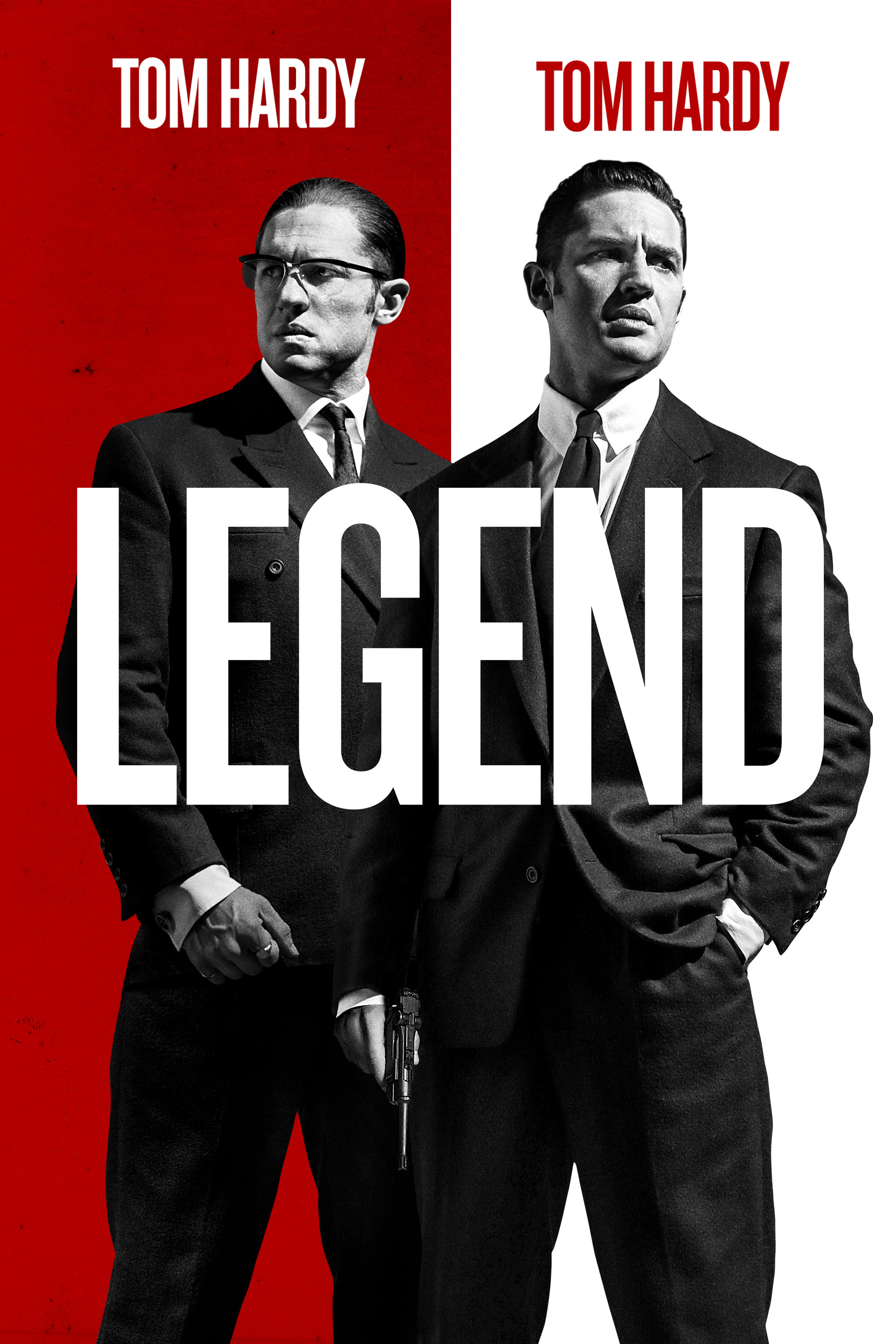
Tom Hardy plays both Kray twins, giving RoguesBook a natural bridge from a popular film to two existing profiles, The Firm and the McVitie murder case.
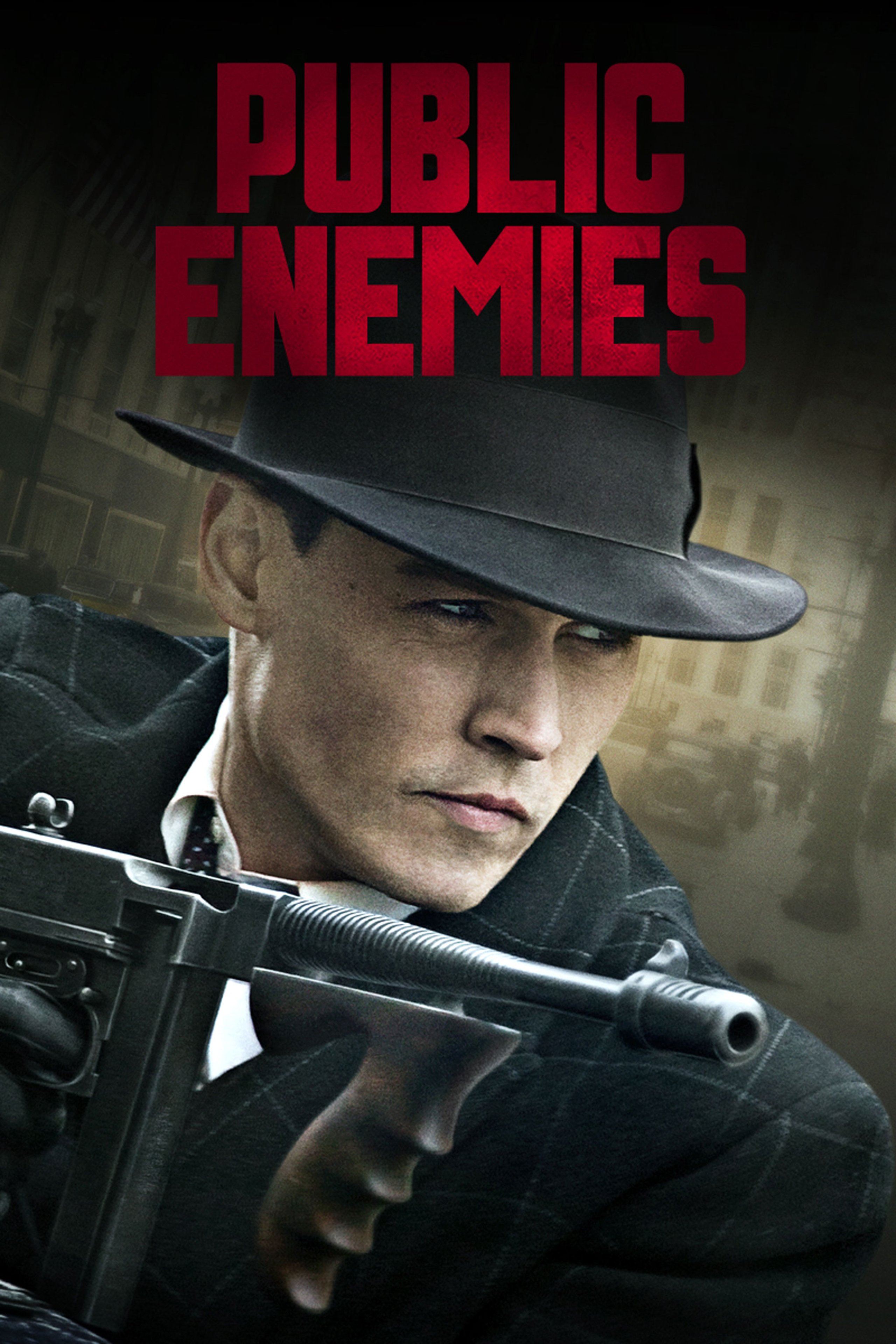
Public Enemies can function as the cinematic front door to RoguesBook’s already-deep Dillinger graph.
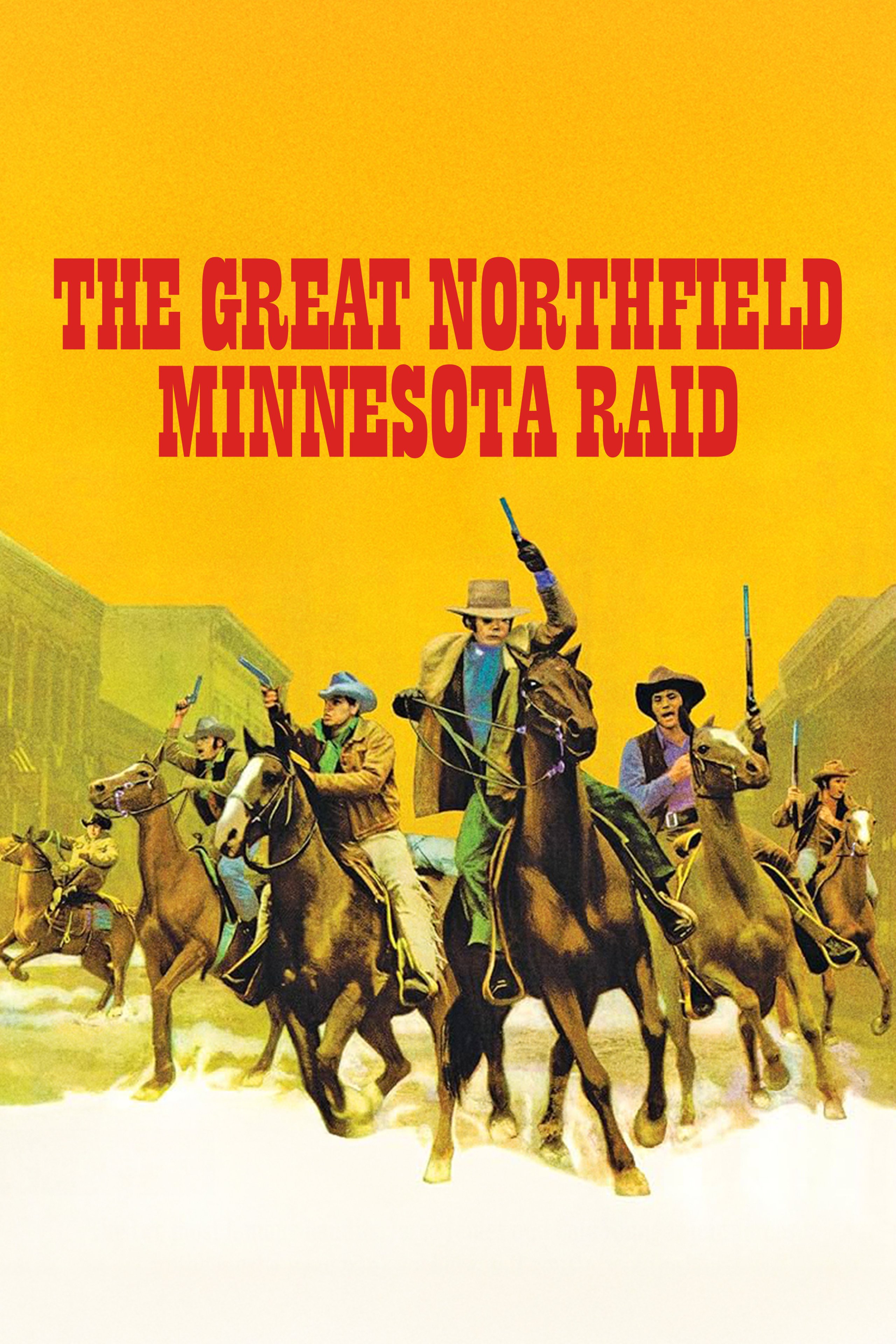
The botched Northfield raid is one of the pivotal events in the history of the James–Younger gang and the film uses it as the center of the story.
These films are still rooted in real cases, but use heavier dramatization, renamed characters or composite storytelling.

Scorsese’s Casino fictionalizes the Las Vegas world of Frank Rosenthal, Anthony Spilotro, Geri McGee and the Midwest mob’s casino skim.

The movie that turned Bonnie Parker and Clyde Barrow into counterculture icons is also a textbook case of why RoguesBook needs a strong “screen myth versus record” layer.
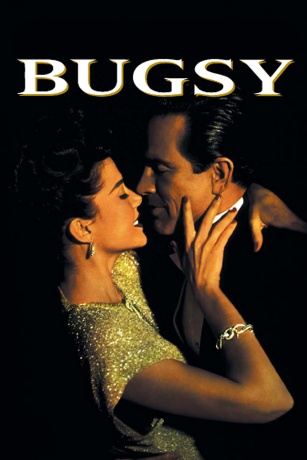
Before Las Vegas became a corporate entertainment capital, Bugsy turns Benjamin Siegel’s violent career and casino obsession into a Hollywood gangster tragedy.
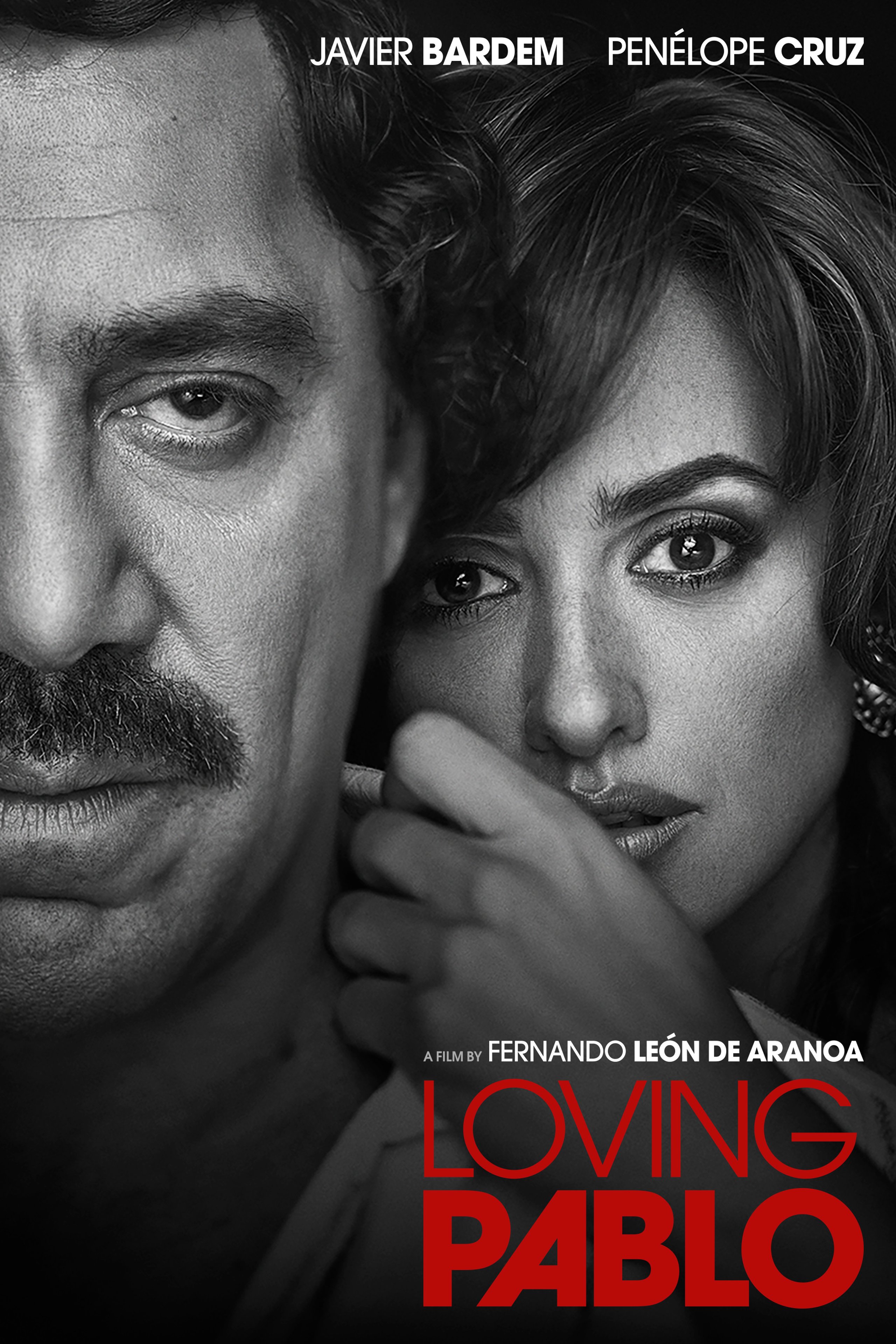
Loving Pablo retells Escobar’s rise through Virginia Vallejo’s relationship with him, giving RoguesBook a screen entry point into both the cartel and the mythology around Escobar’s private life.
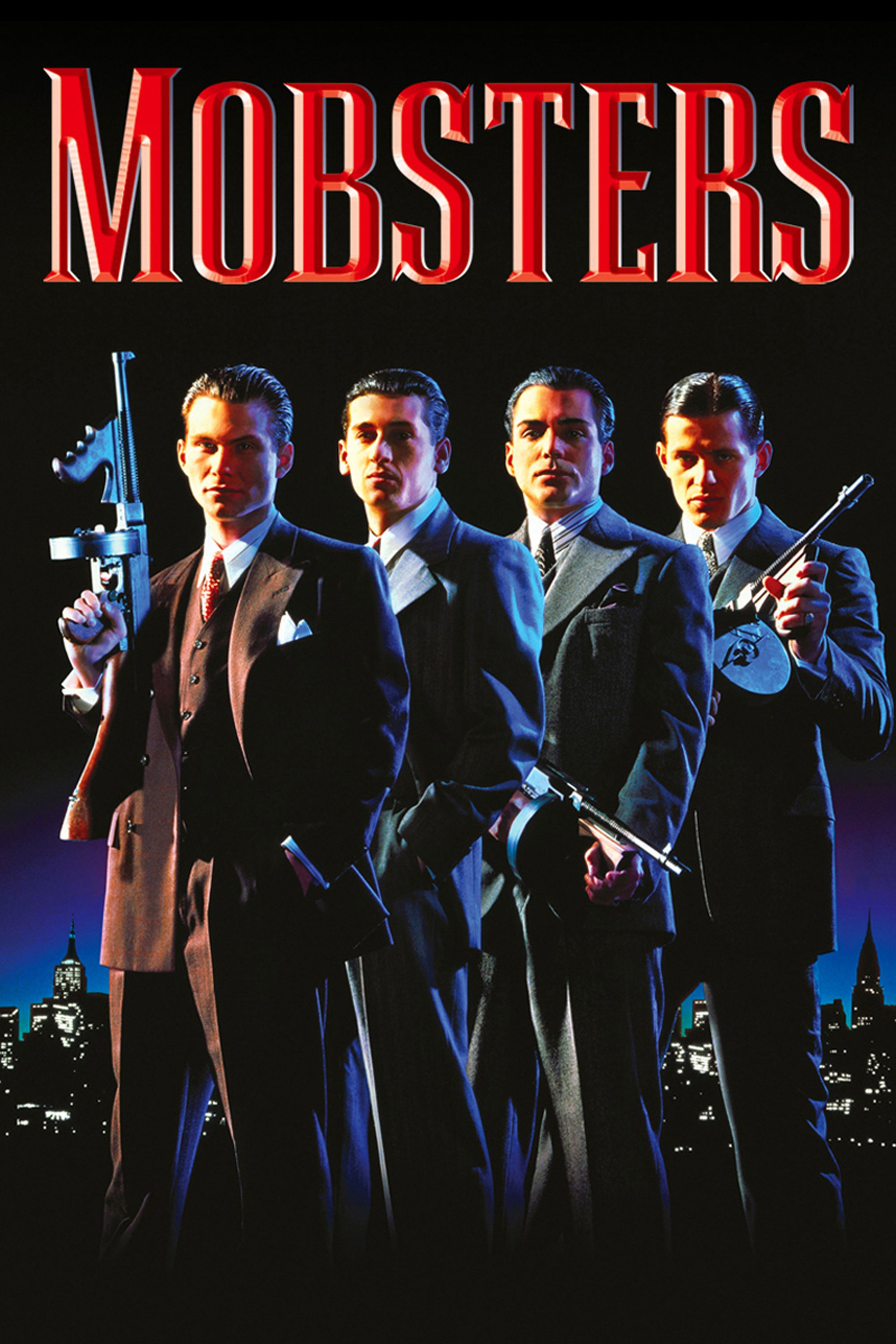
Mobsters compresses the birth of modern American organized crime into a young-gangster origin story built from four of the era’s most famous names.
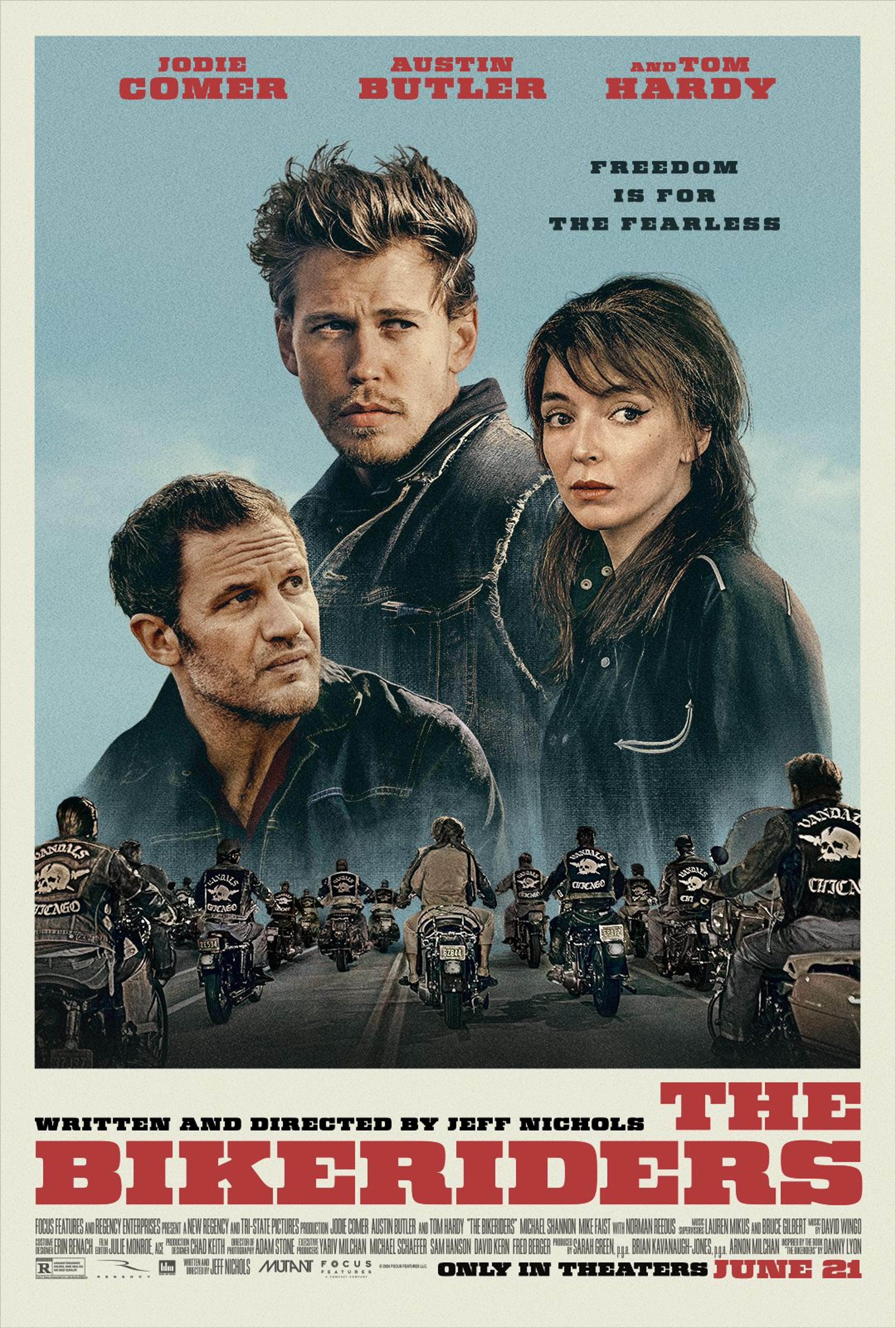
The Vandals are fictional, but the club culture underneath them comes directly from Danny Lyon’s years with the real Chicago Outlaws.

The most important RoguesBook fact about The Departed is also the easiest to get wrong: Jack Nicholson is not literally playing Whitey Bulger.
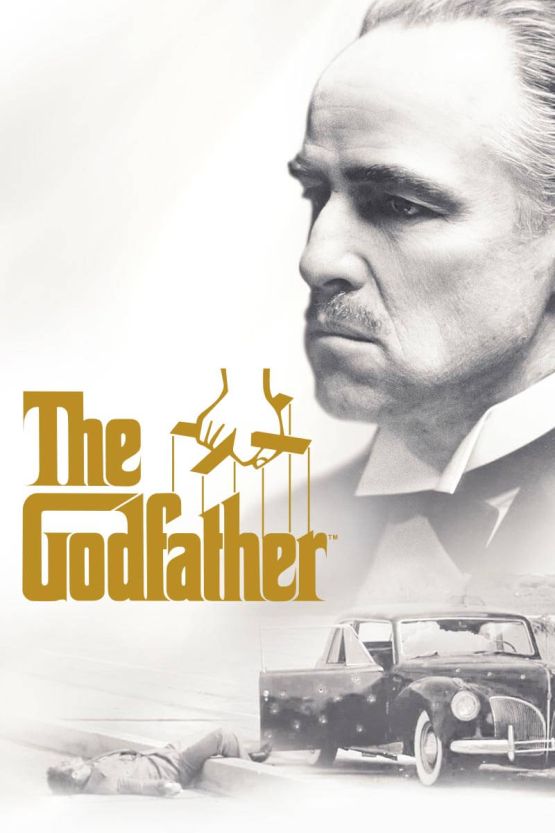
The most famous Mafia movie ever made is not a true story—and that fact makes it one of RoguesBook’s most important “what was real?” pages.
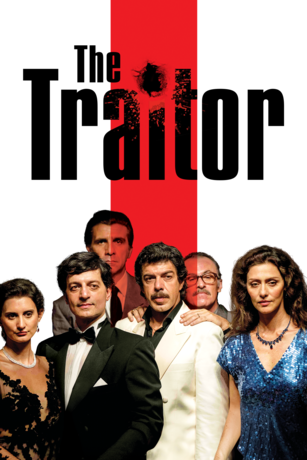
The Traitor is almost purpose-built for RoguesBook: one film connects Buscetta, Riina, Bontade, Badalamenti, Falcone and the Maxi Trial inside a single historical web.
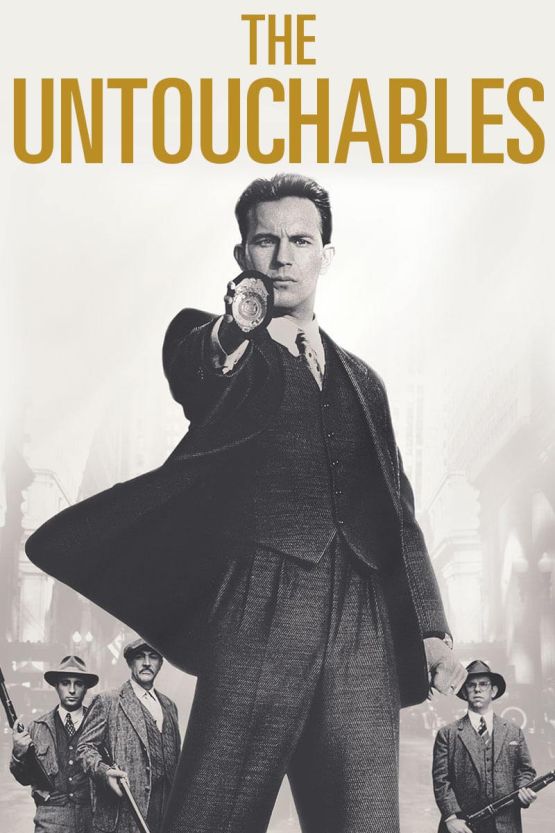
The Untouchables turns the federal campaign against Al Capone into a mythic cops-versus-mob showdown—one rooted in real people but heavily rewritten for cinema.