1934-02-24 · 2 min
Factor kidnapping conviction
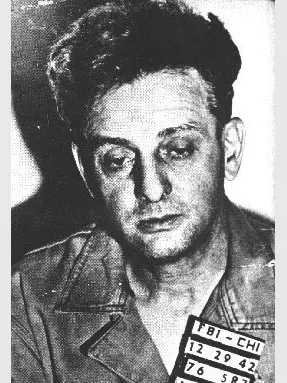
Touhy and co-defendants were convicted in the second Factor trial; Touhy received 99 years.
Enter the story →Enter through a massacre, heist, gang war, trial or escape — then follow the people and organizations that carry the story forward.
Touhy and co-defendants were convicted in the second Factor trial; Touhy received 99 years.
Enter the story →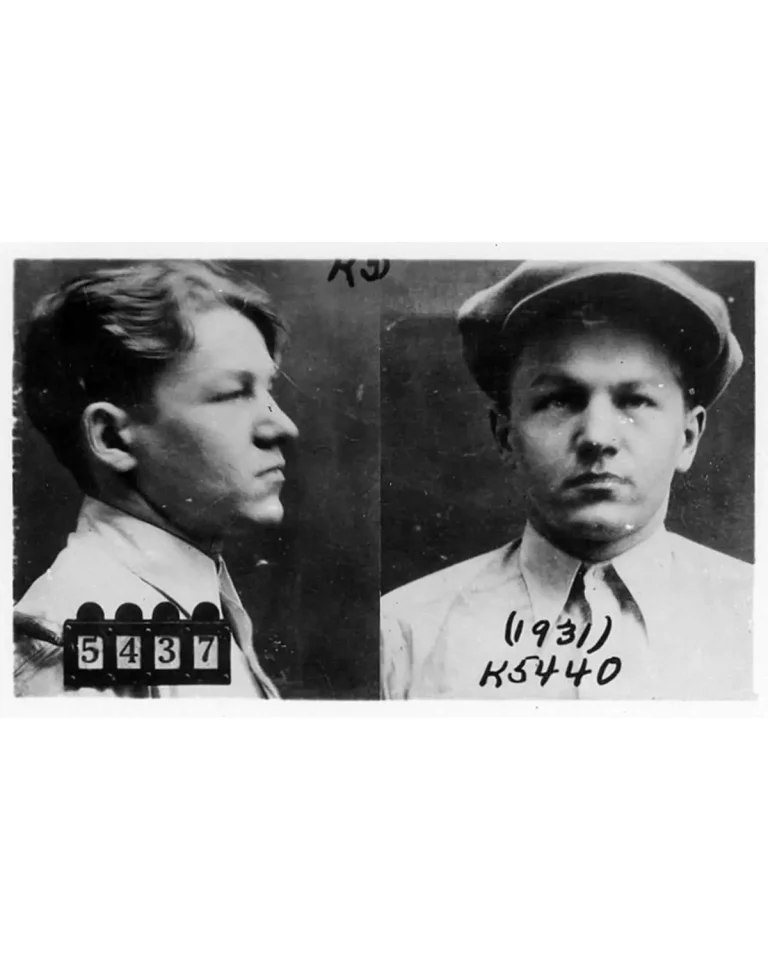
While being returned to Joliet after a Wheaton bank-robbery proceeding, Gillis escaped his guards.
Enter the story →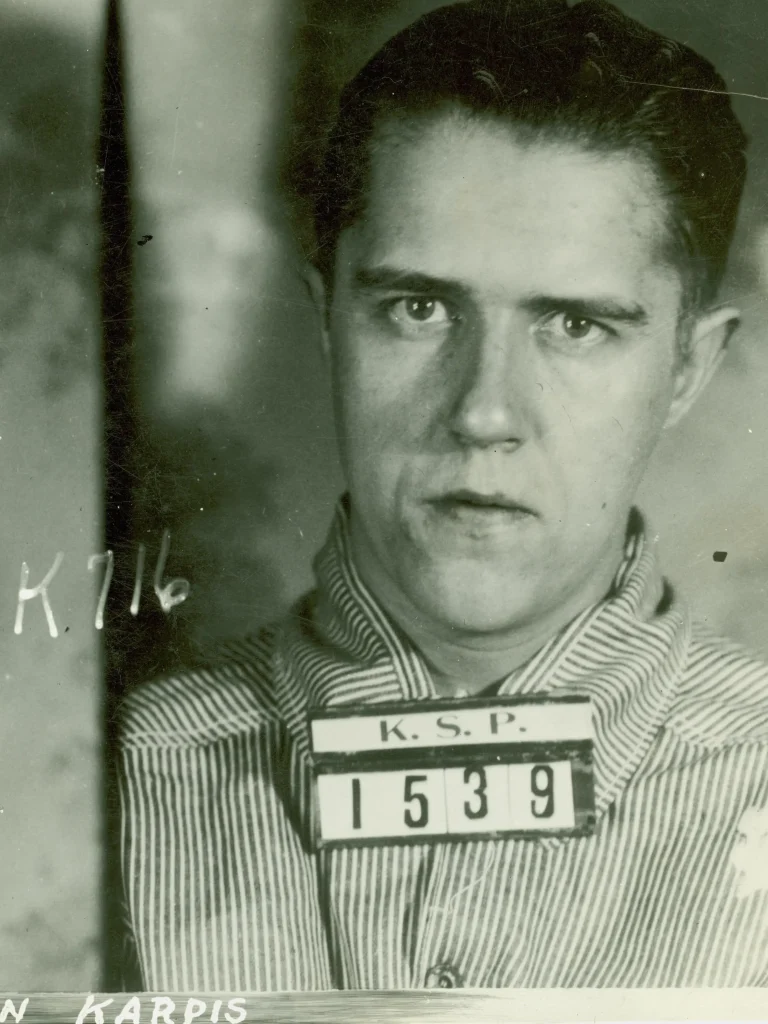
FBI summary places Karpis in St. Paul at the abduction and later transporting/guarding Bremer at Bensenville; it records a later admission that Karpis was present that morning.
Enter the story →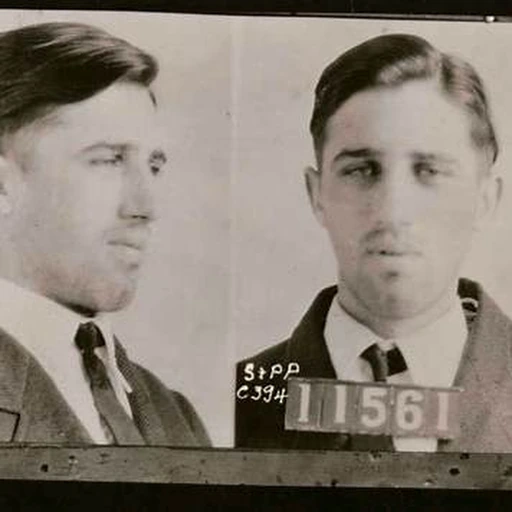
DOJ circular listed Carroll as wanted in connection with Baum's murder and a San Antonio police-officer murder. A wanted notice is an accusation, not a conviction.
Enter the story →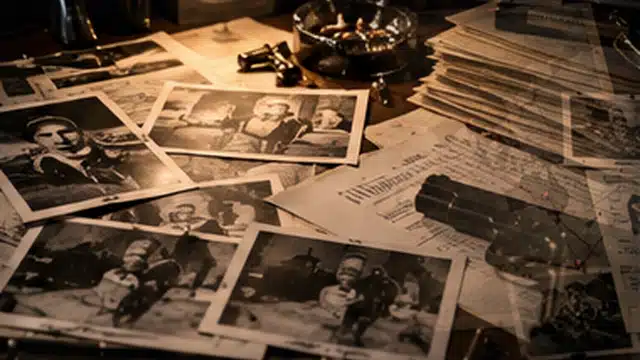
Later index-derived sources converge on Davis dying in July 1979 at age 77; exact day and place remain disputed in this package.
Enter the story →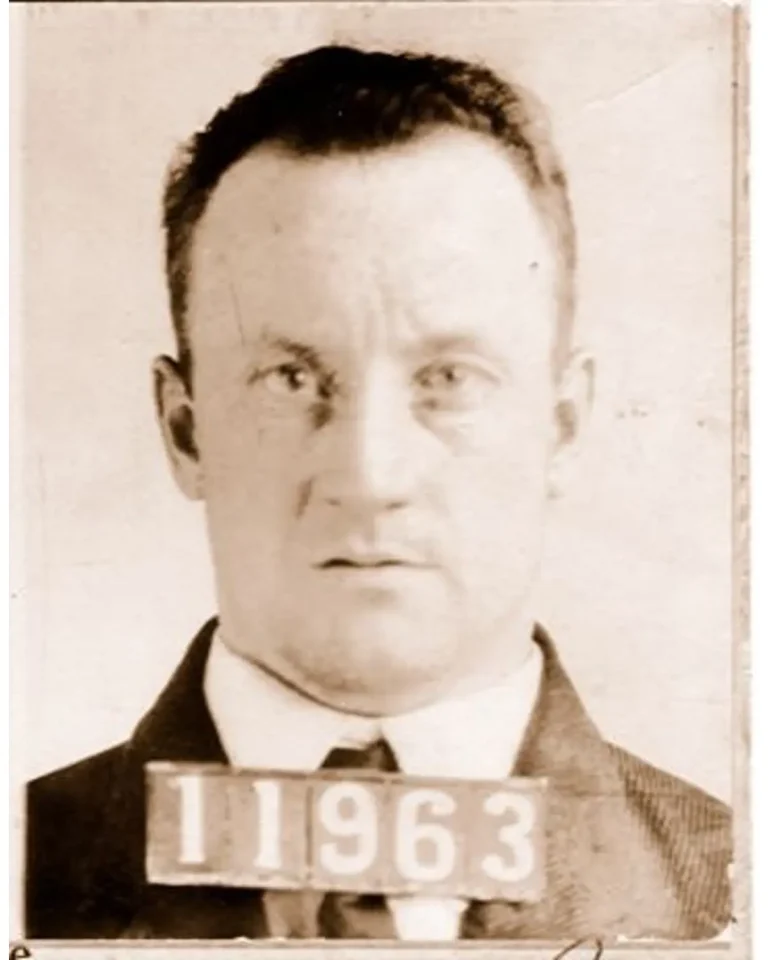
Federal agents recovered decomposed remains at the location indicated by investigation.
Enter the story →FBI Centennial history places Nelson's death around 8 p.m. in Wilmette from gunshot wounds sustained at Barrington.
Enter the story →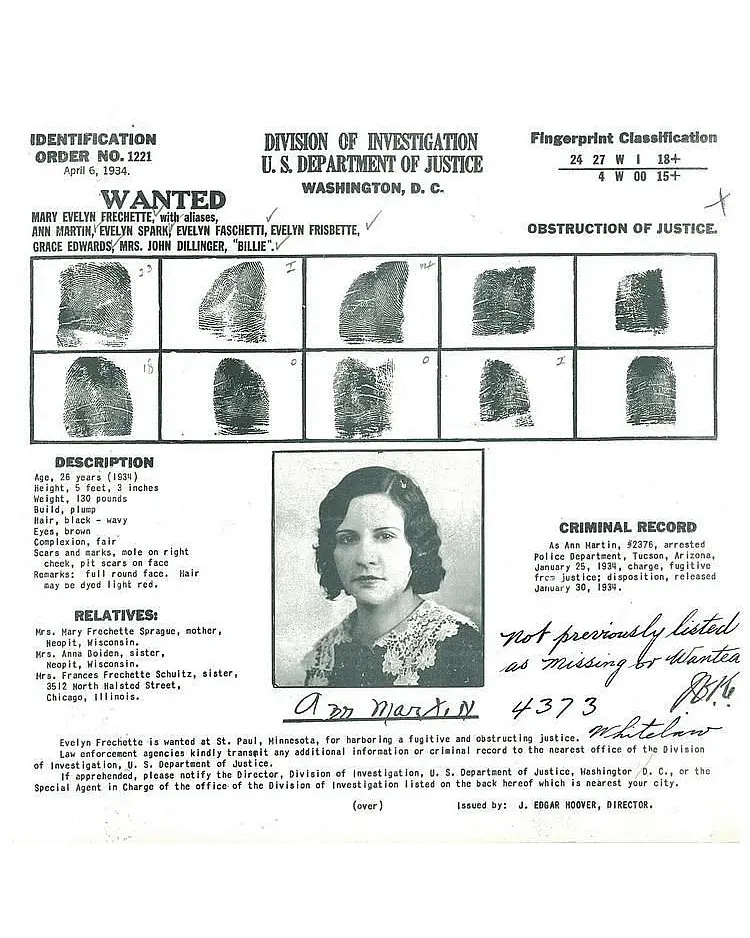
PBS reports Frechette died of cancer in Shawano on January 13, 1969; local historical sources corroborate her 1969 death in Shawano, though an official vital record was not…
Enter the story →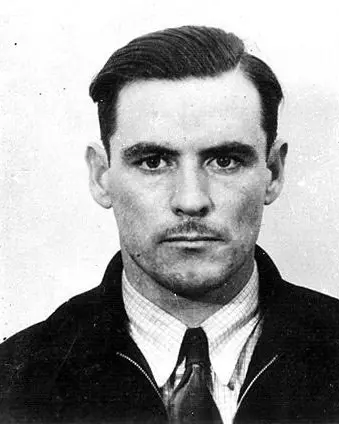
FBI history says Chase died of cancer in Palo Alto on October 5, 1973.
Enter the story →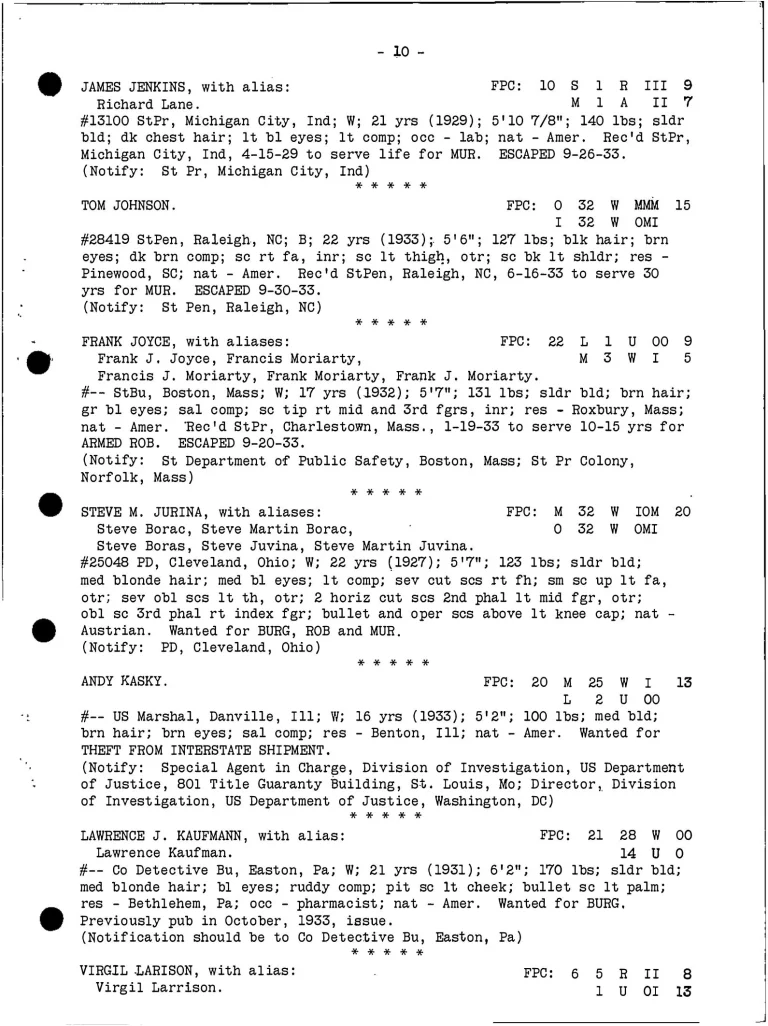
Contemporary federal bulletin records Jenkins killed at Bean Blossom September 29; later local sources reconstruct the gunfight.
Enter the story →
Davis received an eight-month leave in November 1932, later extended; after its expiration he did not return and became a fugitive.
Enter the story →
Davis pleaded guilty to the conspiracy count in the Bremer kidnapping case.
Enter the story →
A long-form, image-rich path through eight connected events showing how the Dillinger prison network formed, how local and federal law enforcement responded, and why the violence continued after…
Open the series →
A documented history of the long-running Hells Angels–Mongols rivalry, from Southern California territorial competition to Laughlin in 2002, later prosecutions and continuing confrontations.
Open the series →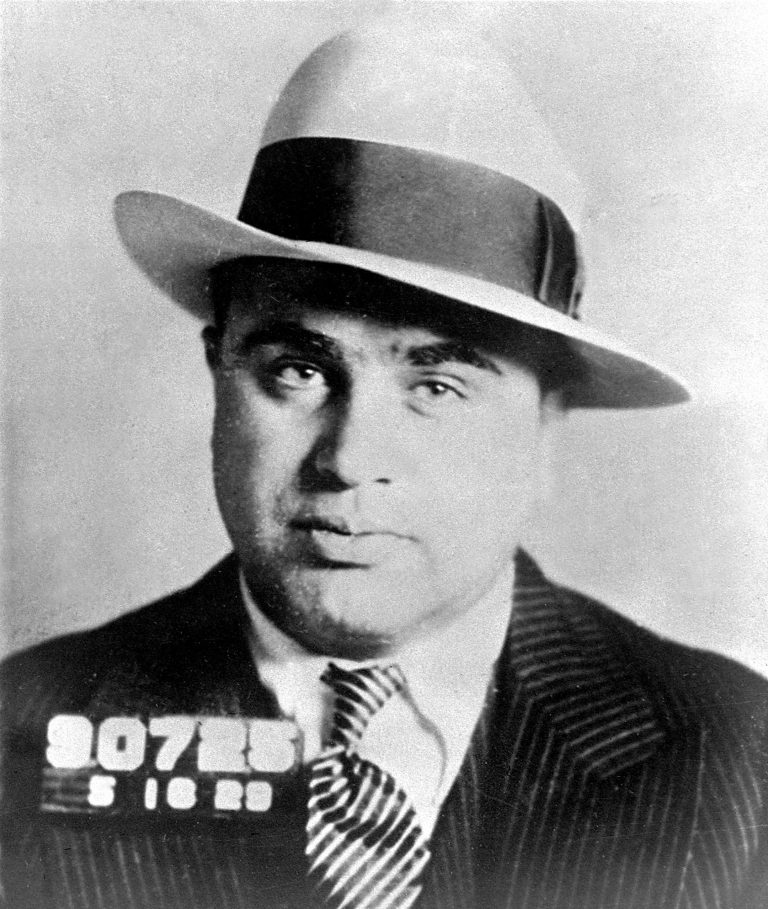
A chronological path through the killings, reprisals and federal pressure that reshaped Chicago organized crime from the murder of Dean O’Banion to Al Capone’s tax conviction.
Open the series →
An evidence-based explainer of the 1% patch and one-percenter motorcycle-club identity, including the Hollister/99-percent origin story, law-enforcement definitions, club colors, support structures and the difference between affiliation and…
Open the series →
A connected history of how the Guadalajara-era trafficking system fragmented into Sinaloa, Tijuana, Juárez, Gulf, Zetas and Beltrán Leyva organizations.
Open the series →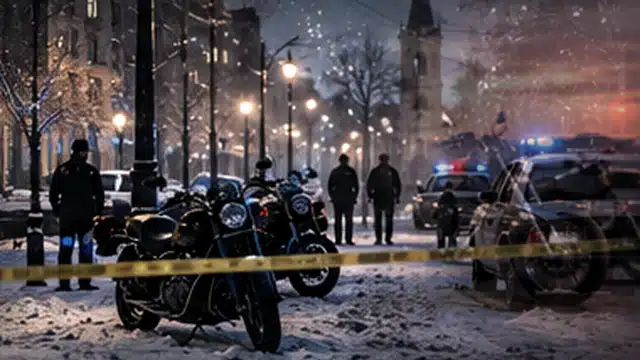
A documented history of Hells Angels–Bandidos conflict, from the Great Nordic Biker War of 1995–1997 to later regional confrontations including the Texas case surrounding Anthony Benesh.
Open the series →People, organizations and locations are graph nodes inside the story, not catalogues for their own sake. Public pages exist only when an entity has enough standalone historical value.