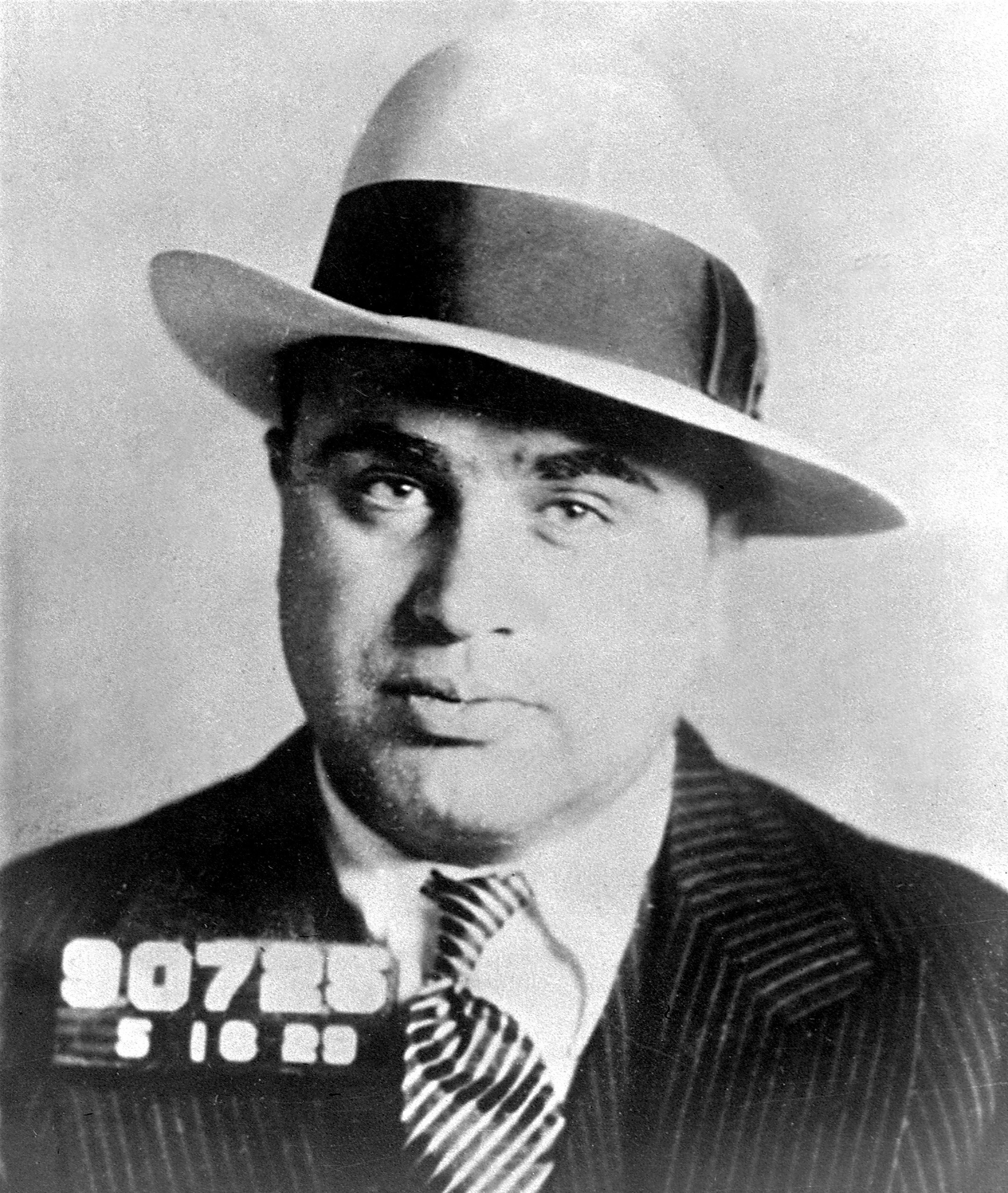
Chicago's Prohibition-era gang conflict is easier to understand as a chain of connected events than as a collection of isolated biographies. This Story Arc begins with the 1924 killing of North Side leader Dean O’Banion, follows the retaliation against Johnny Torrio and the transfer of leadership to Al Capone, and moves through the escalating attacks that culminated in the St. Valentine’s Day Massacre.
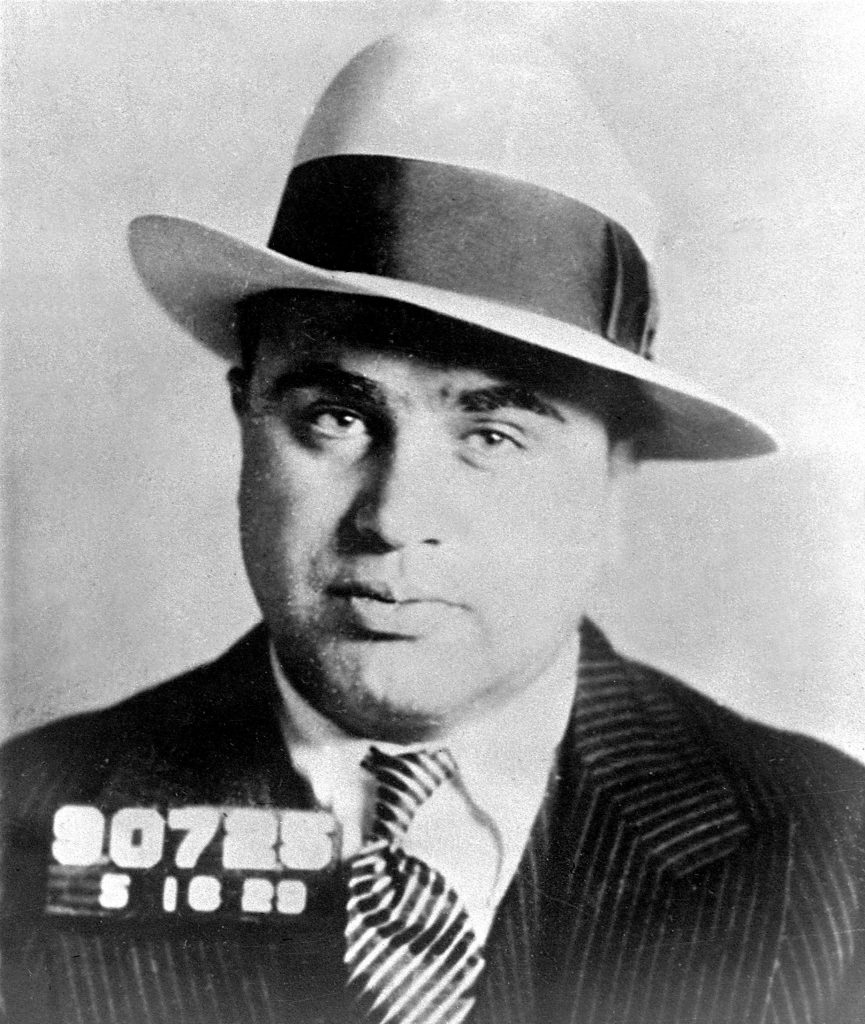
The conflict did not unfold as a clean two-sided war. Alliances shifted, leadership changed, and many acts were never proven in court. The purpose of the arc is not to turn disputed claims into facts, but to show how each major event changed the next set of choices and rivalries.
The sequence also shows why the familiar story does not end with gang violence. By 1931 the decisive pressure on Capone came from federal financial investigation rather than from a successful prosecution for the most notorious Chicago killings. His income-tax conviction therefore closes this arc: it marks the point where the public story of the Beer Wars turns into the story of imprisonment and the decline of Capone's direct control.
Connected records
2 connected stories
Johnny Torrio survived a January 1925 shooting outside his Chicago home; the attack preceded his withdrawal from day-to-day leadership and Al Capone’s rise to the top of the…
A federal jury convicted Al Capone on income-tax charges in October 1931; the case succeeded where attempts to prosecute him for Chicago gang violence had not.
References
- Crime and Chicago's Image · Encyclopedia of Chicago · View source ↗
- St. Valentine's Day Massacre · Encyclopedia of Chicago · View source ↗
- Al Capone · Federal Bureau of Investigation · View source ↗
- The FBI and the American Gangster, 1924-1938 · Federal Bureau of Investigation · View source ↗
- IRS History Timeline · Internal Revenue Service · View source ↗
- From The Archives - May 2014: Hymie Weiss · Chicago Crime Commission · View source ↗
- Dean O’Banion · The Mob Museum · View source ↗