1929-03-09 · 2 min
Escape from Kansas State Industrial Reformatory
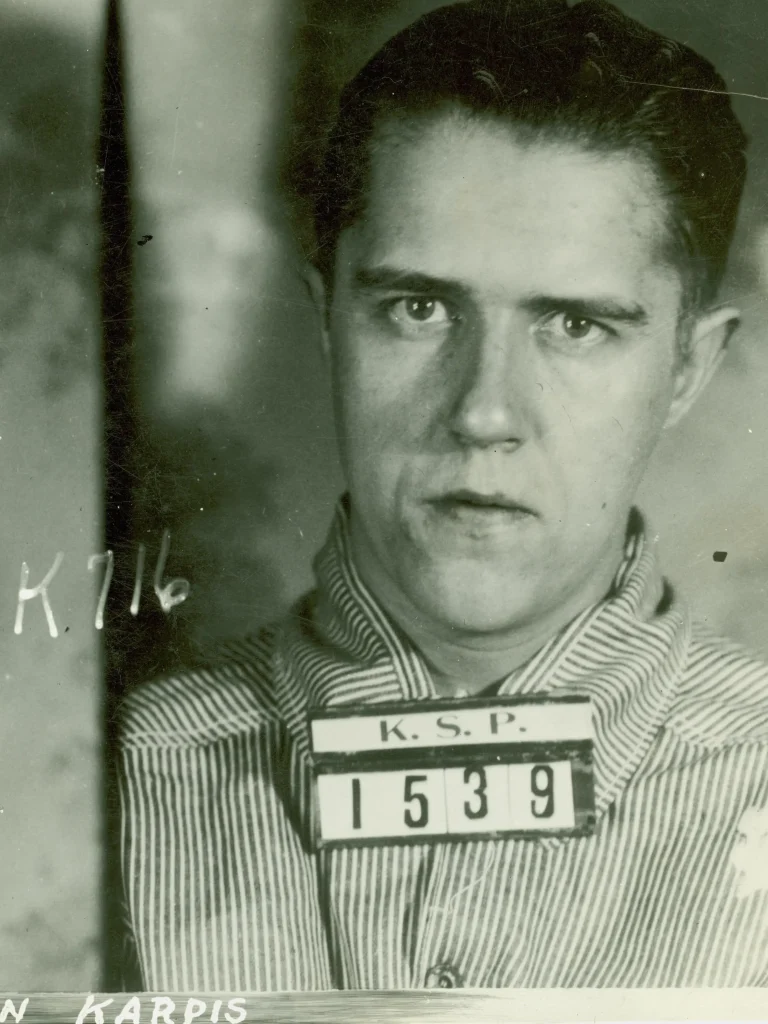
Karpis escaped the reformatory. Sources differ on the identity of his escape companion.
Enter the story →Enter through a massacre, heist, gang war, trial or escape — then follow the people and organizations that carry the story forward.
Karpis escaped the reformatory. Sources differ on the identity of his escape companion.
Enter the story →
Pierpont was executed by electrocution for Sheriff Jesse Sarber's murder.
Enter the story →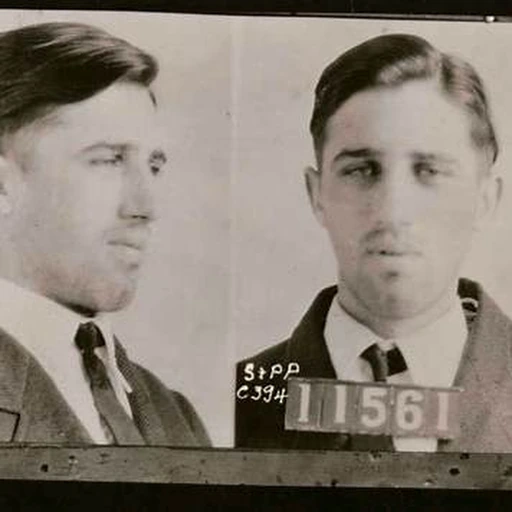
Under alias Frank Sloan, Carroll received a two-year Dyer Act sentence and entered U.S. Penitentiary Leavenworth.
Enter the story →
Davis's confidential statement says Doc Barker asked whether Davis could keep wounded Hamilton and companions for a day or two; Davis agreed and drove the men to Aurora.
Enter the story →
Youngblood died later that afternoon from chest and abdomen gunshot wounds sustained in the Port Huron confrontation.
Enter the story →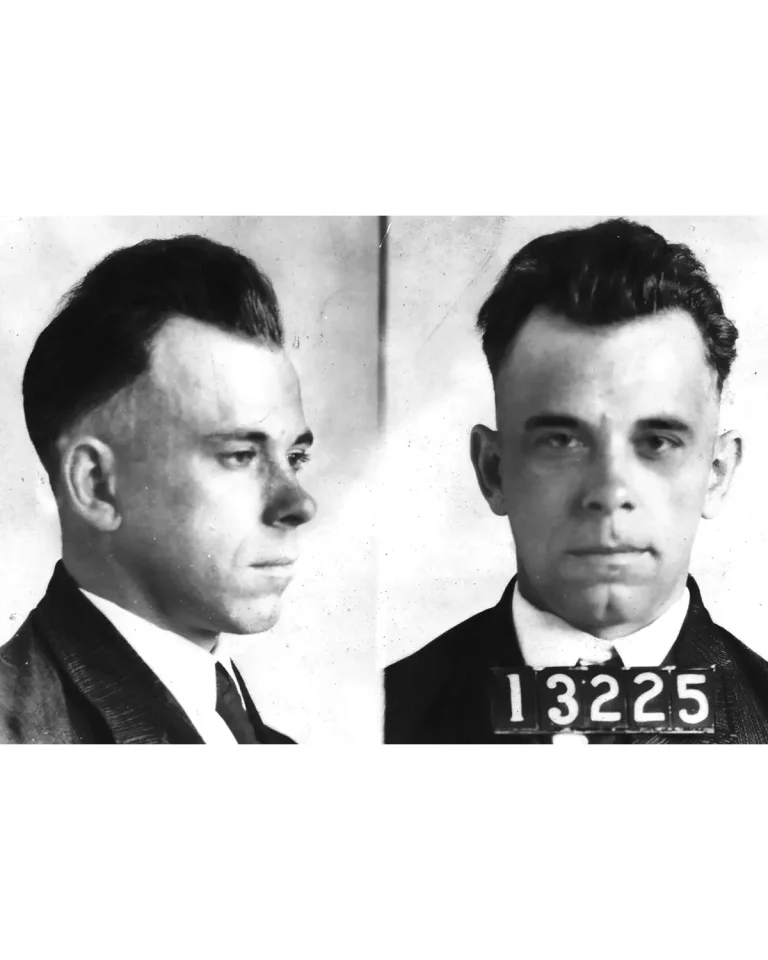
Pierpont and Makley were sentenced to death for Sheriff Jesse Sarber's murder; Russell Clark received life imprisonment.
Enter the story →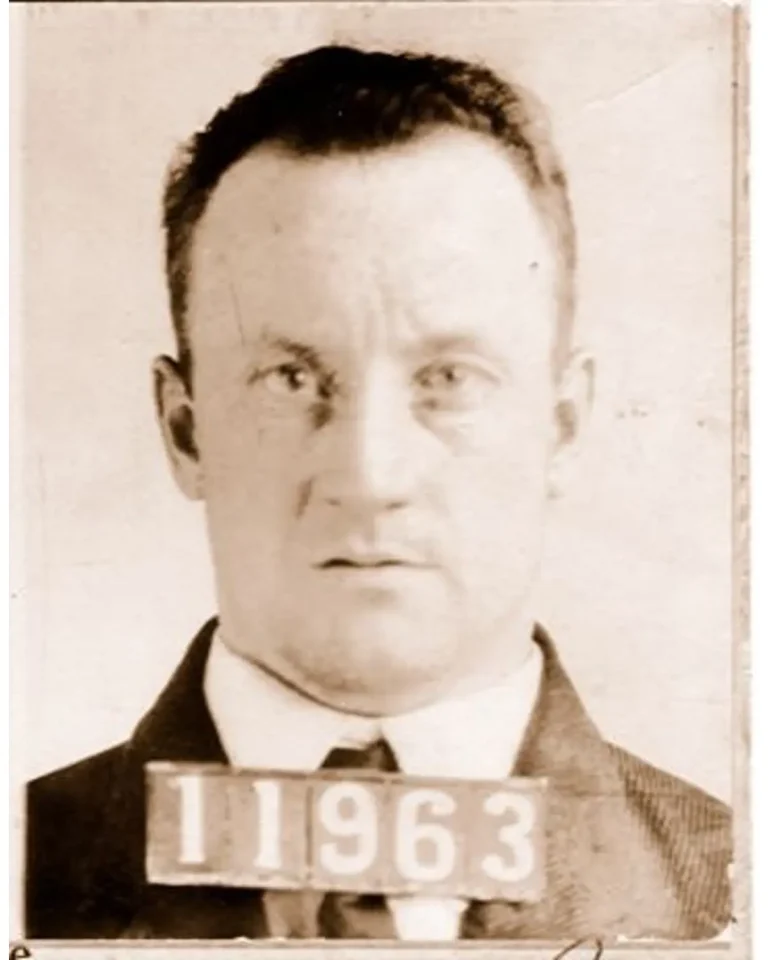
FBI says dental chart matched recovered teeth and prison dentist identified his own work; fingerprints were unusable.
Enter the story →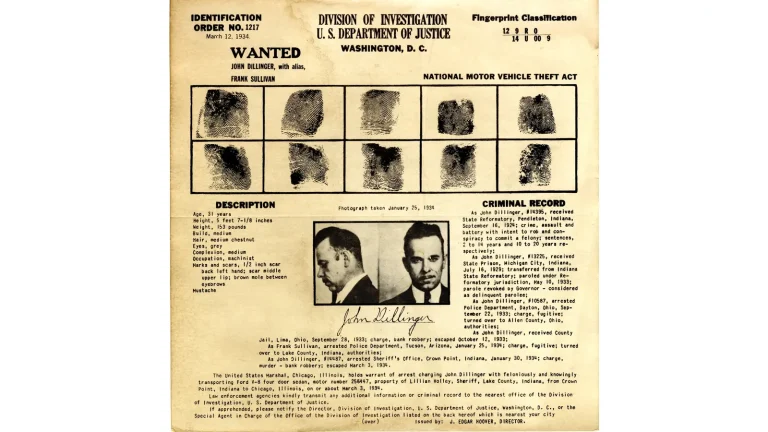
A February 1969 UPI report states that Clark died on December 24, 1968, after having been paroled from the Ohio Penitentiary months earlier.
Enter the story →Karpis was found dead in his apartment. Contemporary reports suspected a sleeping-pill overdose; later Kansas Historical Society treatment says a judge concluded natural causes.
Enter the story →Barker died from gunshot wounds sustained during the escape attempt.
Enter the story →Preferred reconstruction: Green died eight days after the April 3 shooting. Exact day conflicts with tertiary April 10 claims.
Enter the story →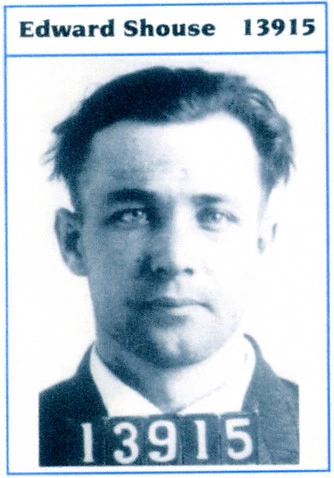
Local historical reporting states Shouse died in 1959 after a major heart attack. Memorial data gives September 14, 1959 and burial in Terre Haute.
Enter the story →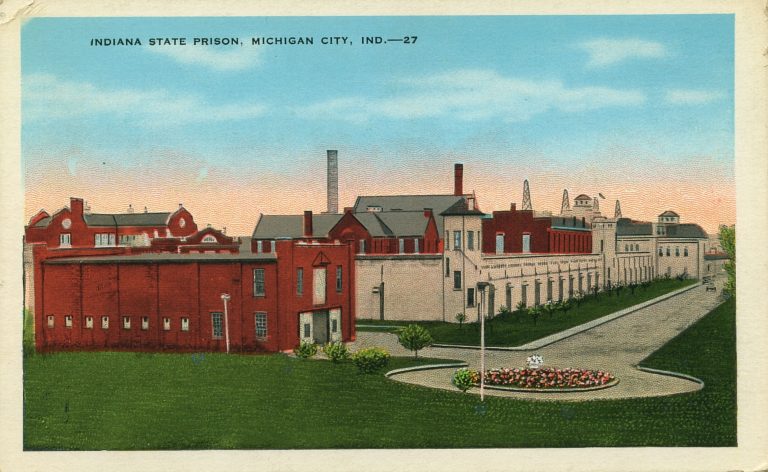
A long-form, image-rich path through eight connected events showing how the Dillinger prison network formed, how local and federal law enforcement responded, and why the violence continued after…
Open the series →
A documented history of the long-running Hells Angels–Mongols rivalry, from Southern California territorial competition to Laughlin in 2002, later prosecutions and continuing confrontations.
Open the series →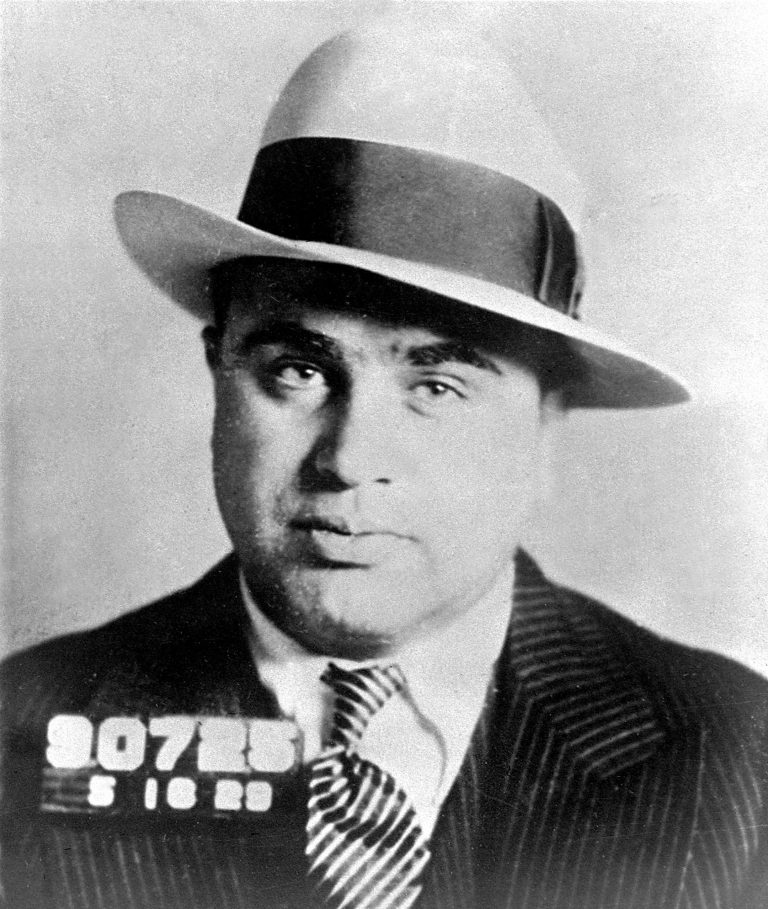
A chronological path through the killings, reprisals and federal pressure that reshaped Chicago organized crime from the murder of Dean O’Banion to Al Capone’s tax conviction.
Open the series →
An evidence-based explainer of the 1% patch and one-percenter motorcycle-club identity, including the Hollister/99-percent origin story, law-enforcement definitions, club colors, support structures and the difference between affiliation and…
Open the series →
A connected history of how the Guadalajara-era trafficking system fragmented into Sinaloa, Tijuana, Juárez, Gulf, Zetas and Beltrán Leyva organizations.
Open the series →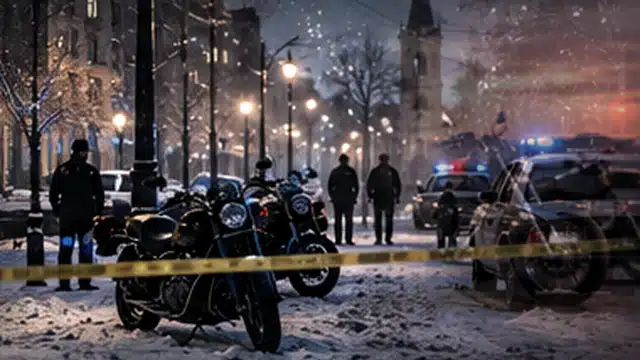
A documented history of Hells Angels–Bandidos conflict, from the Great Nordic Biker War of 1995–1997 to later regional confrontations including the Texas case surrounding Anthony Benesh.
Open the series →People, organizations and locations are graph nodes inside the story, not catalogues for their own sake. Public pages exist only when an entity has enough standalone historical value.