T
Organization · 2 connections
Tbilisi Clan
Europol described the Tbilisi clan as one of two major Georgian thieves-in-law groupings whose conflict shaped part of the Russian-speaking organized-crime landscape in Europe.
Criminal organizations connected to RoguesBook stories, people and places. Law-enforcement agencies remain relational entities, not catalogue peers.
Europol described the Tbilisi clan as one of two major Georgian thieves-in-law groupings whose conflict shaped part of the Russian-speaking organized-crime landscape in Europe.
The Commission is the governing forum created in the early 1930s to mediate major disputes and coordinate interests among leading American La Cosa Nostra families without…
East London criminal organization centered on Ronnie and Reggie Kray, active principally in the 1950s and 1960s.
Glasgow organized-crime network centered on Arthur Thompson and associates; an editorial canonical node rather than a claim of formal membership structure.

A Mexican trafficking organization associated with the Arellano Félix family and the Tijuana and Mexicali smuggling corridors.
Documented 18th Street clique with U.S.-El Salvador links in federal records.
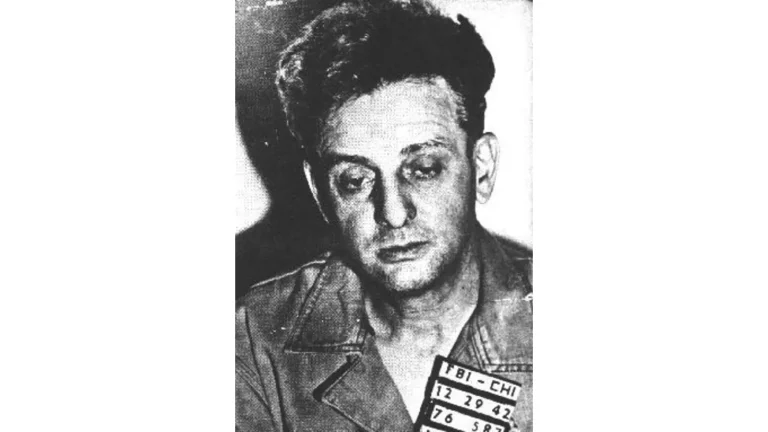
The Chicago-area criminal organization associated with Roger Touhy and Basil Banghart, linked to Prohibition-era gang conflict, the Factor kidnapping case and the 1942 Joliet prison escape.

A powerful Yekaterinburg criminal network that emerged around the Uralmash district during the late Soviet and post-Soviet transition and became a major force in the city’s…
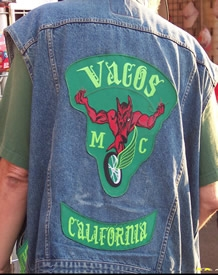
A motorcycle club with strong roots in the American Southwest and Pacific states, identified by U.S. federal law enforcement as an outlaw motorcycle gang active in…
Vory v zakone, usually translated as Thieves-in-Law, are high-status figures in a criminal tradition that developed in the Soviet and post-Soviet underworld.
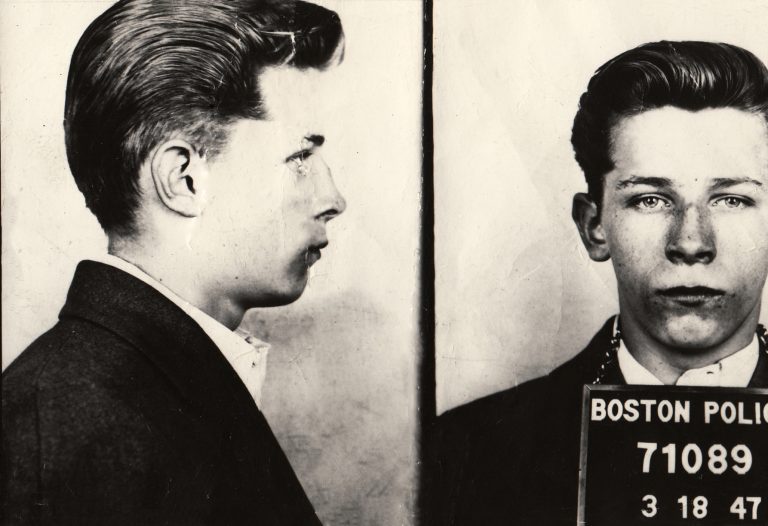
The Winter Hill Gang was a Boston-area organized-crime group that became closely associated with James “Whitey” Bulger and with gambling, extortion, drug trafficking and violence in…
A Bronx-based criminal organization composed primarily of people of Albanian descent that operated from at least 2008 through August 2012 and trafficked narcotics while some members…
An overview of the criminal organizations commonly called the yakuza, from historical roots and hierarchy to modern anti-boryokudan enforcement and membership decline.

Japan’s largest and historically most influential yakuza syndicate, founded in Kobe in 1915 and organized as a federation of affiliated groups.
A history of Yamaken-gumi, from Kenichi Yamamoto and Yoshinori Watanabe to Kunio Inoue and the 2015 Yamaguchi-gumi split.
Marseille drug-trafficking organization led by Félix Bingui and active in the city’s narcotics economy before losing ground to the rival DZ Mafia.