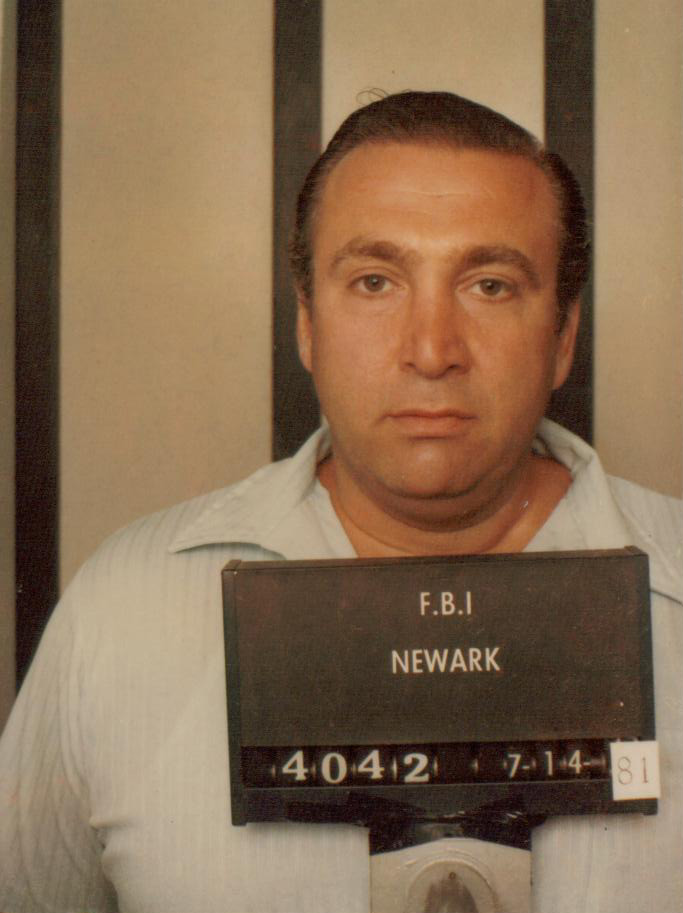
The DeMeo Crew was a Brooklyn-based criminal group centered on Roy DeMeo and operating within the Gambino crime family.
The crew became notorious for stolen-car trafficking, loansharking and a large number of killings attributed to members and associates.
Its history belongs to a later organized-crime era than Murder, Inc., but the two groups are sometimes compared because both became associated with systematic violence.
Roy DeMeo
Roy DeMeo built his criminal career through profitable rackets before becoming a made member of the Gambino family.
He developed relationships in Brooklyn businesses, car theft and loansharking.
Anthony “Nino” Gaggi became an important Mafia sponsor.
DeMeo’s value to the Gambino family came from money as much as violence.
He could generate revenue through criminal enterprises while maintaining a crew of younger associates.
Car theft
One of the crew’s major businesses involved stolen automobiles.
Vehicles could be altered, resold or moved through international channels.
Large-scale car theft required more than stealing a vehicle from a street.
It involved documentation, chop shops, transport, contacts and resale markets.
This kind of racket shows why organized crime often operates through logistics rather than spectacular crimes.
The crew
The group included men such as Chris Rosenberg, Joseph Testa and Anthony Senter.
Membership and participation varied over time.
Federal surveillance and later prosecutions helped document the relationships among the men.
A 1982 FBI surveillance photograph of Roy DeMeo and Joseph Testa is especially useful because it visually demonstrates the crew structure more accurately than a generic gangster image.
Murders
The DeMeo Crew became associated with numerous murders.
Popular accounts often use very high body-count estimates.
Those numbers should be treated carefully.
Some killings were proven in later prosecutions or supported by testimony. Others remain allegations or estimates derived from cooperating witnesses.
A disputed total should not be presented as if it were an audited statistic.
The historical significance is clear even without an exact count: multiple witnesses and prosecutions described a crew in which murder was repeatedly used to solve criminal disputes.
Disposal methods and mythology
Stories about the crew’s methods became part of organized-crime folklore.
Witnesses described a systematic approach to killing and dismembering victims.
Those accounts contributed to the group’s terrifying reputation.
But graphic detail can easily become sensational.
The important analytical point is organizational: repeated violence was treated as a process, not as an exceptional event.
DeMeo’s death
Roy DeMeo disappeared in January 1983.
His body was later found in the trunk of a car in Brooklyn.
He had been shot multiple times.
No one was convicted of his murder.
His death marked the collapse of the crew’s central leadership, but investigations continued against surviving associates.
Federal prosecution
Later federal cases targeted members of the crew for racketeering, car theft and murders.
Anthony Senter and Joseph Testa were convicted and received life sentences in federal court.
Those prosecutions converted portions of the crew’s violent reputation into documented criminal judgments.
Why the DeMeo Crew matters
The crew connects the Gambino family to a younger Brooklyn criminal network built around vehicle theft, cash rackets and extreme violence.
It also provides a useful contrast with earlier organizations.
Murder, Inc. was associated with outsourced enforcement across a broader syndicate.
The DeMeo Crew was more tightly connected to one Mafia family and one local leadership circle.
Both show how violence can become institutional rather than merely personal.
References
-
[1]Crime and Corruption Across America, 1972–1988Tier 1MentionsSupportsView source ↗
-
[2]Roy DeMeo FBI mugshot and surveillance materialTier 1MentionsSupportsView source ↗