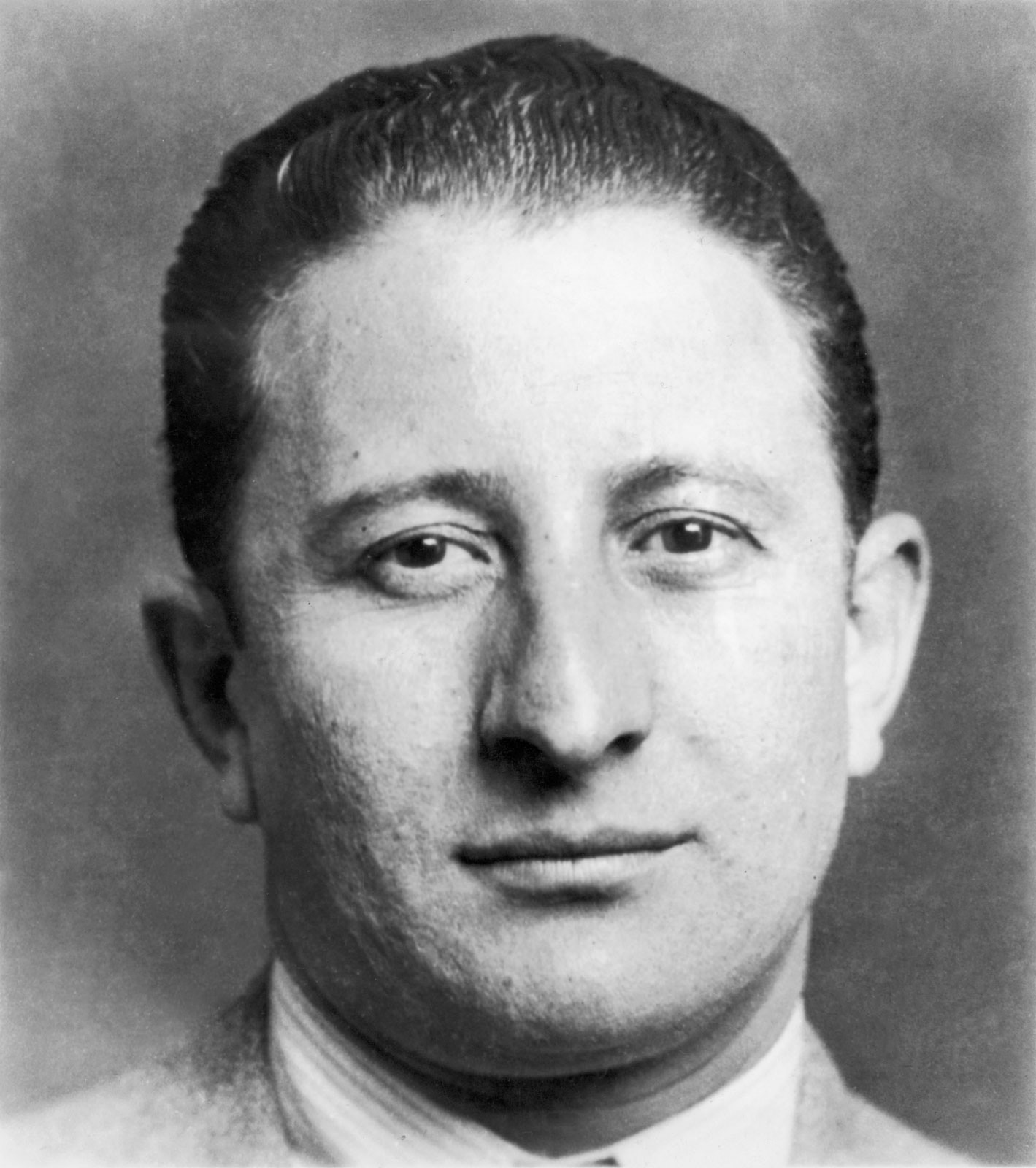
The Gambino crime family is one of New York City’s Five Families and one of the most documented organizations in the history of American La Cosa Nostra. Its story stretches from the early twentieth-century New York Mafia through the eras of Vincent Mangano, Albert Anastasia, Carlo Gambino, Paul Castellano and John Gotti, and into the long federal campaign that used electronic surveillance, cooperating witnesses and racketeering law against traditional Mafia structures.
The family’s history is important not because every member committed the same crimes, but because it provides a unusually clear view of how a Mafia family could combine hierarchy, neighborhood crews, legitimate businesses and illegal markets over generations.
From the Mangano family to Albert Anastasia
Before it carried the Gambino name, the organization was generally associated with Vincent Mangano. New York’s Italian-American underworld had been reorganized after the Castellammarese War of the early 1930s, when the Mafia Commission emerged as a mechanism for managing relations among major families.
Mangano disappeared in 1951. His brother Philip was found murdered. Albert Anastasia, already a powerful underworld figure, became the dominant boss of the family.
Anastasia’s tenure ended violently. He was shot to death in the barbershop of the Park Sheraton Hotel in Manhattan in October 1957. His murder became one of the iconic images of postwar Mafia history.
After Anastasia’s death, Carlo Gambino emerged as boss.
Carlo Gambino and a new identity
Carlo Gambino gave the family the name by which it is now known. His leadership style was markedly different from the public image later associated with John Gotti. Gambino generally avoided theatrical publicity and built influence through alliances, crew leadership and relationships within the national Mafia network.
Under Gambino, the family was associated with gambling, loansharking, labor racketeering, extortion, theft and infiltration of legitimate businesses. As with every Mafia family, the exact mix of activity varied by crew and period.
Gambino became one of the most powerful Mafia figures in the United States. He died in 1976. His succession decision shaped the next phase of the organization.
Paul Castellano
Paul Castellano, Gambino’s relative and chosen successor, became boss after Gambino’s death. Castellano was associated with a leadership style that placed substantial emphasis on business-oriented rackets and high-level financial schemes, although violence and traditional street rackets remained part of the family environment.
His leadership created internal tensions. Aniello Dellacroce, a highly respected underboss with strong ties to street crews, represented another center of loyalty inside the family. John Gotti belonged to the Dellacroce side of that internal landscape.
Dellacroce died in December 1985. Two weeks later, Castellano and his underboss Thomas Bilotti were shot to death outside Sparks Steak House in Manhattan.
The murders transformed the family.
John Gotti takes power
The FBI states that John Gotti watched the Sparks operation from nearby and later drove past the scene to confirm that the killings had been carried out. After Castellano’s death, Gotti took control of the Gambino family.
Gotti’s public style was the opposite of Carlo Gambino’s. Expensive suits, frequent courthouse appearances and intense press attention turned him into a tabloid celebrity. Reporters called him the “Dapper Don.” A series of acquittals produced another nickname, the “Teflon Don.”
Those acquittals were not evidence that the family was immune from prosecution. Federal investigators continued to develop cases using wiretaps, surveillance and cooperating witnesses.
Surveillance and Sammy Gravano
The turning point came from a combination of electronic surveillance and internal cooperation. Investigators recorded Gotti discussing family business in locations he believed were secure.
Salvatore “Sammy the Bull” Gravano, Gotti’s underboss, eventually agreed to cooperate with the government. His testimony gave prosecutors direct evidence about murders, leadership decisions and the operation of the family.
In 1992, Gotti was convicted of racketeering, murder and other offenses. He received a life sentence and died in federal custody in 2002.
The conviction was a major victory for federal organized-crime enforcement, but it did not erase the organization itself.
How a Mafia family is structured
A traditional La Cosa Nostra family is often described through positions such as boss, underboss, consigliere, captains and soldiers. Associates work with the organization without necessarily being formally inducted members.
That hierarchy should not be read as a perfect organizational chart. Leadership can be disputed. Acting bosses can operate for imprisoned leaders. Crews may have different specialties and levels of influence. Government witnesses can also reveal structures that were deliberately concealed.
For the Gambino family, the hierarchy is especially useful as a research framework because several eras are unusually well documented in federal cases and FBI histories.
Rackets and legitimate-business infiltration
Federal investigations of La Cosa Nostra have documented crimes including gambling, loansharking, extortion, labor racketeering, theft, fraud, narcotics trafficking and money laundering. Gambino-linked cases have also involved influence over unions and legitimate industries.
The point of a Mafia family is not that every member participates in every racket. Crews and associates create different revenue streams while the organization provides relationships, reputation, dispute resolution and, in some cases, coercive power.
This mixture of criminal and legitimate spheres is one reason Mafia investigations often require financial records, wiretaps and long-term undercover work rather than only conventional street-crime evidence.
The FBI and long-term Mafia investigations
The Gambino story is deeply connected to the development of modern federal organized-crime investigations. The FBI’s broader La Cosa Nostra program used informants, electronic surveillance and RICO prosecutions to attack organizations as enterprises rather than treating each offense as an isolated crime.
The work of undercover agent Joseph Pistone in the Bonanno family, major Commission prosecutions and coordinated takedowns across multiple families all changed the environment in which the Gambinos operated.
Gotti’s conviction became the most famous Gambino case, but it was part of a much broader shift in the balance between traditional Mafia secrecy and federal investigative tools.
Why the Gambino family remains historically important
The family connects several of the most recognizable figures in American organized crime: Vincent Mangano, Albert Anastasia, Carlo Gambino, Paul Castellano, Thomas Bilotti, John Gotti and Sammy Gravano.
It also links directly to the Sparks Steak House murders, the Five Families, the Mafia Commission, FBI surveillance, witness cooperation and federal racketeering law.
That makes the Gambino family more than an organization page. It is a hub through which a reader can move across almost a century of New York Mafia history.
The Five Families context
The Gambino family cannot be understood in isolation from the other New York families: Genovese, Lucchese, Bonanno and Colombo. Competition and cooperation among those organizations shaped labor rackets, gambling markets and the Mafia Commission.
Commission cases in the 1980s demonstrated how federal prosecutors could use RICO to attack leadership across multiple families at once. The approach weakened the insulation that bosses had historically gained by staying several steps removed from street-level crimes.
Leadership after Gotti
Gotti’s conviction did not create a clean endpoint. Acting leadership arrangements, imprisoned senior figures and crew-level continuity allowed the family to persist. Later federal takedowns continued to charge Gambino members and associates with racketeering and related offenses.
For that reason, the family page should avoid declaring a permanent “current boss” unless a dated, reliable source establishes it. Mafia leadership is often deliberately concealed and can be disputed even inside law-enforcement reporting.
Why the family survived repeated prosecutions
Traditional Mafia families are resilient because they are social networks as well as formal hierarchies. Kinship, neighborhood ties, long-standing crews and business relationships can survive the imprisonment of individual leaders.
Federal enforcement dramatically reduced the power and public reach of La Cosa Nostra compared with its mid-century peak, but the Gambino family remains historically important precisely because it endured across several leadership generations.
People who shaped this story
Rivals, allies and counterpart organizations
References
-
[1]Albert Anastasia FBI Vault filesTier 1MentionsSupportsView source ↗
-
[2]Carlo Gambino FBI Vault filesTier 1MentionsSupportsView source ↗
-
[3]Joe Pistone, Undercover AgentTier 1MentionsSupportsView source ↗
-
[4]John GottiTier 1MentionsSupportsView source ↗
-
[5]La Cosa NostraTier 1SupportsMentionsView source ↗
-
[6]Mafia Takedown: Largest Coordinated Arrest in FBI HistoryTier 1MentionsSupportsView source ↗
-
[7]Who Were the Mafia’s Five Families?Tier 1SupportsView source ↗
-
[8]How the 1978 Lufthansa Heist Led to a Trail of Dead BodiesTier 2SupportsView source ↗
-
[9]Mob classic Goodfellas debuted in theaters twenty-five years agoTier 2SupportsView source ↗