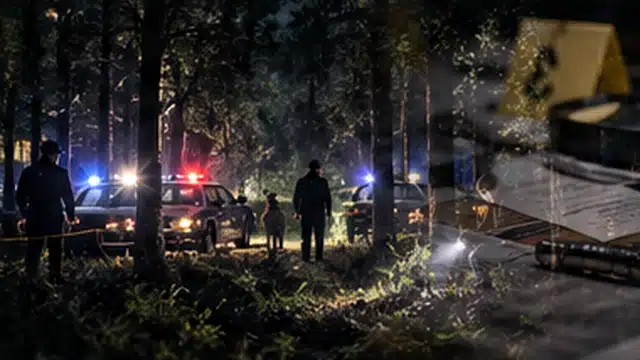
On September 13, 1994, a bomb destroyed a Mercedes in central Moscow and killed Sergei Timofeyev, the Orekhovskaya leader widely known as Sylvester. The assassination became one of the most consequential underworld killings of the decade because it removed the figure around whom Orekhovskaya had consolidated.
The bombing
Kommersant’s reporting describes a remotely detonated explosive attached to the vehicle. The blast occurred in central Moscow and left the body badly damaged. Investigators identified the victim as Timofeyev, and his funeral later drew a large number of figures from the criminal world.
An unresolved killing
Numerous theories circulated about who ordered the bombing. Some connected the murder to business disputes, others to rival criminal groups or retaliation for earlier violence. The source set used here does not establish one version as proven. The event therefore remains described as an unresolved assassination rather than attributing responsibility to a particular organization.
Impact on Orekhovskaya
The immediate consequence was a succession crisis. Grigory Gusyatinsky, Sergei Ananyevsky and other senior figures became important in the post-Timofeyev period. Several were themselves killed. Sergei Butorin later emerged as one of the principal surviving leaders and was eventually sentenced to life imprisonment.
A turning point in Moscow
Timofeyev’s death illustrates how leadership transitions in 1990s Moscow were often settled through violence. The killing did not destroy Orekhovskaya, but it fragmented control and helped trigger years of internal and external conflict.
The assassination is therefore best understood as a structural event in the history of the group, not simply as a dramatic individual death. It connects the rise of Orekhovskaya to the long series of killings and prosecutions that followed.
Death and burial
Timofeyev was buried after a funeral attended by a large number of underworld figures, according to Kommersant’s contemporary follow-up. The public attention surrounding the funeral reflected his status at the time of his death. It did not, however, resolve the central question of who ordered the bombing, which remains treated here as unproven.
People and groups in this story
Don’t stop here
References
- Investigation of the killing of Sylvester · Kommersant · View source ↗
- Orekhovskaya cases reach court · Kommersant · View source ↗