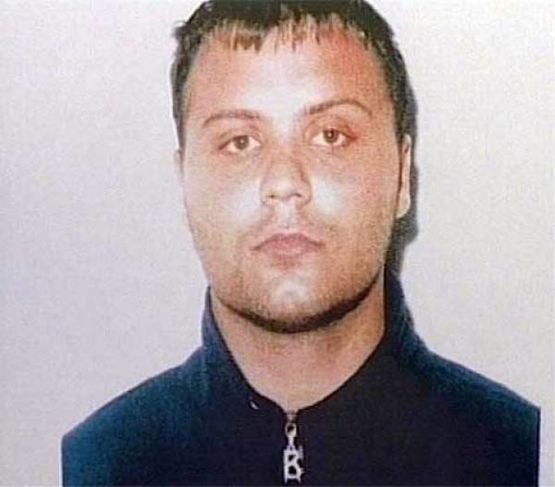
Serbian Prime Minister Zoran Đinđić was shot outside the government building in Belgrade on 12 March 2003. The assassination became the central event in the confrontation between the Serbian state and the Zemun Clan and triggered a state of emergency within hours.
The later criminal proceedings established specific individual responsibility. Final verdict reporting states that Milorad Ulemek organized the assassination and that Zvezdan Jovanović fired the shots that killed Đinđić. Other members of the Zemun Clan received long prison sentences for participation in the conspiracy. Those judicial findings provide a firmer basis than the flood of allegations that circulated immediately after the killing.
The assassination also exposed the importance of relationships between organized-crime figures and former members of the Special Operations Unit. Ulemek and Jovanović had both served in the JSO. The OSCE’s review of Serbia’s organized-crime justice system describes the assassination case and the Zemun Clan case as initially joined proceedings that were later separated.
Operation Sabre followed the killing. The European Court of Human Rights recorded that approximately 10,000 people were arrested during the emergency operation and that members of the Zemun Clan and linked groups were questioned about the assassination and other serious crimes. The breadth of those arrests later generated substantial human-rights scrutiny.
The assassination therefore sits at the center of several connected histories: the rise of the Zemun Clan, the JSO’s political role, the creation of Serbia’s specialized organized-crime institutions, Operation Sabre and the trials that ultimately established responsibility for the killing.
Final legal findings
The long appellate process matters because it transformed the assassination from a field of competing accusations into a set of final judicial findings. By 2009 reporting on the completed appeals stated that Ulemek’s role as organizer and Jovanović’s role as shooter had been confirmed. Other Zemun Clan defendants received sentences ranging from years to decades depending on their proven roles. The finalized judgments also provide a stable reference point for distinguishing the convicted conspiracy from theories that continued to circulate in public debate.
People and groups in this story
Don’t stop here
References
- Situation Report on Organised and Economic Crime in South-eastern Europe — Serbia · Council of Europe CARPO Project · View source ↗
- Krsmanović v. Serbia · European Court of Human Rights · View source ↗
- Organized Crime Prosecution in Serbia: The Zemun Clan and Special Prosecutor framework · OSCE Mission to Serbia · View source ↗
- Slučaj Đinđić: razmatran zahtev o preispitivanju presude · RTS · View source ↗
- Đinđić assassination verdicts final · B92 · View source ↗
- Nakon ubistva Zorana Đinđića, akcija Sablja i suđenje · B92 · View source ↗
- U policijskoj akciji ubijeni Šiptar i Kum · B92 · View source ↗