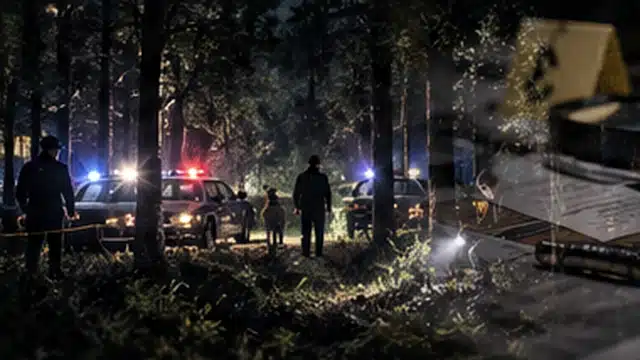
The Zemun Clan story is best understood as a sequence rather than as a list of underworld biographies. The group emerged as a powerful Belgrade criminal network involved in narcotics distribution, kidnappings and violence. Its leaders Dušan Spasojević and Mile Luković built a structure that institutional and court reporting later described as one of Serbia’s most important organized-crime organizations.
The background also includes the Special Operations Unit and its 2001 protest. The JSO was a state unit, not a criminal gang, but later convictions established that former commander Milorad Ulemek and former member Zvezdan Jovanović played central roles in the assassination of Prime Minister Zoran Đinđić.
The 12 March 2003 assassination transformed the conflict. Serbia declared a state of emergency and launched Operation Sabre. Thousands were arrested, the Zemun Clan’s leadership was hunted, and Spasojević and Luković were killed near Meljak on 27 March during an attempted arrest.
What followed was the judicial phase. The assassination trial established Ulemek as organizer and Jovanović as gunman. The separate Zemun Clan proceeding addressed a wider catalogue of murders, kidnappings, terrorism and criminal association. Cooperating witnesses including Dejan Milenković, Ljubiša Buha and Miladin Suvajdžić helped prosecutors reconstruct the organization.
Taken together, the connected pages show why this cluster matters to the history of organized crime in Serbia: it links the 1990s underworld, compromised security structures, high-value kidnappings, political assassination, a mass police crackdown and the creation of a specialized organized-crime justice system.
A bridge from the 1990s to the post-2000 underworld
The cluster also connects the older Belgrade underworld to a new phase in which criminal groups interacted with former security personnel, transnational narcotics markets and specialized courts. Figures from the 1990s scene created the social background, but the Zemun Clan became a different kind of organization: more structured, more commercially diversified and more directly entangled with compromised state-security actors. Its destruction in 2003 did not end Serbian organized crime, but it did reshape the environment in which later groups operated.
From the 1990s into the Zemun era
The immediate background is the Belgrade Underworld, 1985–2000: a period in which violent criminal networks, wartime formations, smuggling economies and security-service contacts reshaped the city’s criminal landscape. The Zemun Clan emerged from that environment but developed a more structured organized-crime model built around narcotics distribution, kidnapping, targeted violence and protection through compromised institutions.
0 connected stories
No separate event chapters have been published for this series yet. Follow the documented sections above; the timeline is not an empty list of invented events.
References
- Situation Report on Organised and Economic Crime in South-eastern Europe — Serbia · Council of Europe CARPO Project · View source ↗
- Krsmanović v. Serbia · European Court of Human Rights · View source ↗
- Organized Crime Prosecution in Serbia: The Zemun Clan and Special Prosecutor framework · OSCE Mission to Serbia · View source ↗
- Đinđić assassination verdicts final · B92 · View source ↗
- Nakon ubistva Zorana Đinđića, akcija Sablja i suđenje · B92 · View source ↗
- Podsećanje na štrajk JSO-a: Crvene beretke i zemunski klan · B92 · View source ↗
- Supreme Court receives Zemun Clan appeals · B92 · View source ↗
- U policijskoj akciji ubijeni Šiptar i Kum · B92 · View source ↗