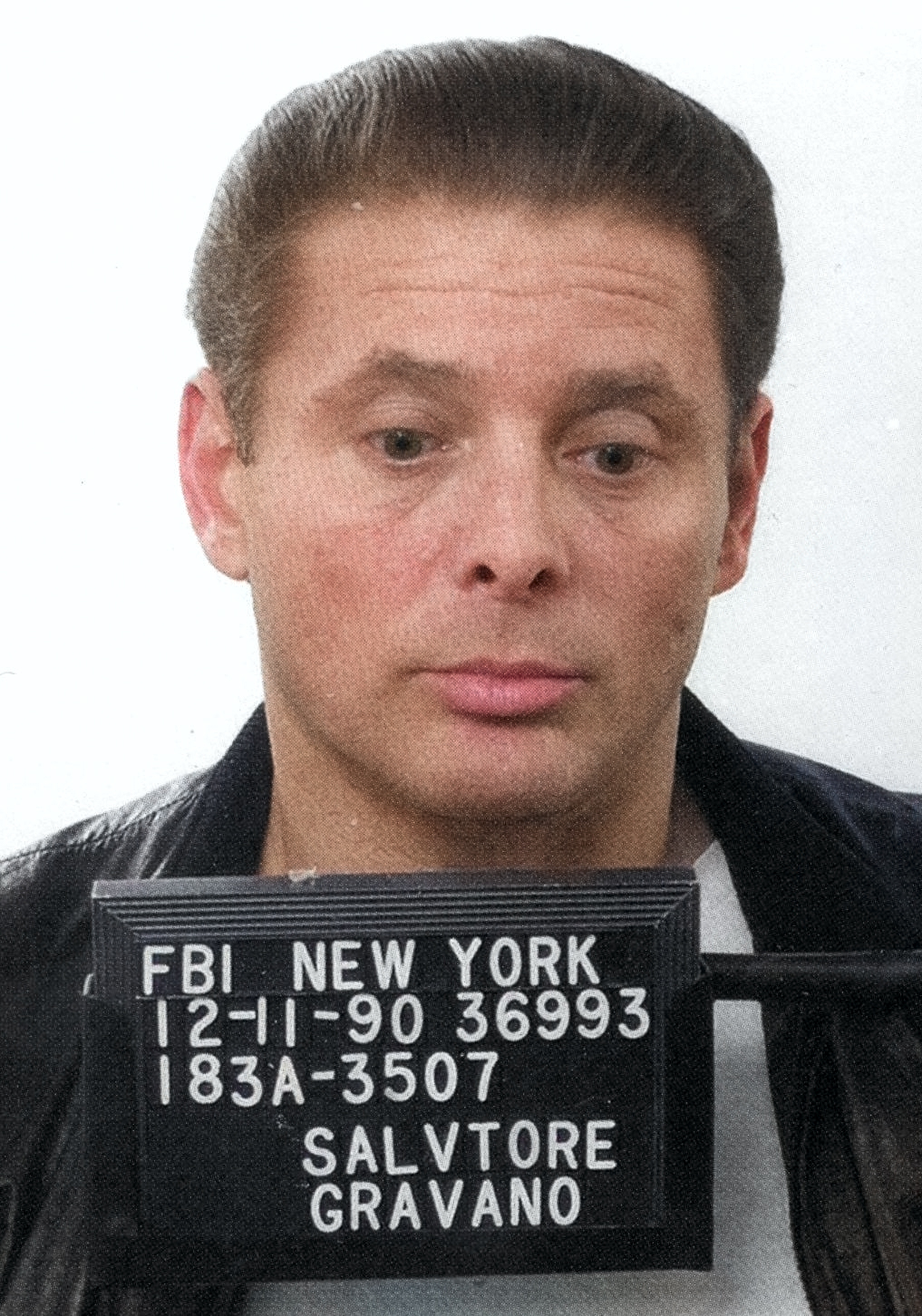
Salvatore “Sammy the Bull” Gravano occupies an unusual place in the history of the American Mafia. He rose high enough inside the Gambino crime family to become a senior member of John Gotti’s leadership circle, then crossed the line that organized crime treated as unforgivable: he agreed to cooperate with federal prosecutors and testify against his own boss.
That decision helped turn an already powerful racketeering case into the prosecution that finally convicted Gotti. It also made Gravano a symbol of a broader change in Mafia investigations, when electronic surveillance, RICO prosecutions and high-level cooperating witnesses began reinforcing one another.
From street crime to Gambino leadership
Gravano’s criminal career developed in New York’s organized-crime world long before he became nationally famous. By the 1980s he was a made member of the Gambino crime family and had accumulated influence through violence, construction-related rackets and relationships with other members of the organization.
The importance of his later cooperation came from that rank. He was not a peripheral associate who knew only one crew. By the end of the decade he had direct access to the people making decisions at the top of the family.
After John Gotti took control of the Gambino organization, Gravano moved into its senior leadership. Federal records later described him as underboss during the period relevant to major Gambino prosecutions. That placed him close to Gotti at the moment the FBI and New York investigators were intensifying court-authorized electronic surveillance of the family.
The Castellano murder and the Gotti succession
The leadership change that made Gotti boss began with the December 16, 1985 murders of Paul Castellano and Thomas Bilotti outside Sparks Steak House in Manhattan. The FBI’s historical account states that Gotti ordered the killings and watched from a nearby car before taking control of the family.
Gravano later became one of the government’s most important sources of inside evidence about that transition. In later court descriptions of his cooperation, he was identified as having been with Gotti during the Castellano-Bilotti murder operation and as possessing first-hand knowledge of Gambino violence and hierarchy.
The significance of those facts goes beyond the sensational details of one gangland killing. Castellano’s murder was an unauthorized leadership overthrow inside one of New York’s Five Families, and it shaped the alliances, rivalries and prosecutions that followed. Gravano’s later testimony gave prosecutors an insider who could describe the people behind the structure rather than merely reconstruct it from recordings and surveillance photographs.
Arrested with John Gotti
Federal agents arrested Gotti, Gravano and other defendants in December 1990. The government’s case drew on years of investigative work, including bugs, wiretaps and other surveillance. Recorded conversations were powerful, but organized-crime language could be coded, elliptical and dependent on relationships that were not obvious to a jury.
A cooperating insider could explain who held which position, why a particular conversation mattered and how apparently disconnected acts fit into a racketeering enterprise. Gravano could do that from near the top of the family.
In 1991 he formally agreed to cooperate with the government and pleaded guilty to a racketeering charge. The decision broke with the Mafia’s code of silence and created a serious problem for Gotti: the prosecution now had both recorded evidence and a witness able to interpret the organization from within.
Testifying against Gotti
Gravano became a principal government witness at Gotti’s 1992 trial. His testimony covered Gambino structure, criminal activity and murders. The FBI credits his cooperation, together with electronic surveillance and investigative work, as a major element in the case.
On April 2, 1992, Gotti was convicted on 13 counts, including charges tied to the murders of Castellano and Bilotti. The conviction ended the run of courtroom victories that had helped create Gotti’s “Teflon Don” public image.
Gravano’s usefulness did not end with that trial. A later Justice Department sentencing filing described his cooperation as contributing to convictions in additional Mafia cases and as helping encourage other organized-crime figures to cooperate. That effect is one reason his defection became historically important: it attacked not only an individual defendant but the assumption that senior Mafia members would always remain silent.
Cooperation did not erase his crimes
The government’s use of Gravano created an obvious tension. He was valuable precisely because he had participated in serious organized crime. Federal filings described him as admitting involvement in numerous murders while occupying a senior position in the Gambino family.
His cooperation therefore should not be presented as a conversion that erased his earlier conduct. Prosecutors make cooperation agreements because insiders can supply evidence that may be unavailable from conventional witnesses. The sentencing benefit is part of that bargain, but it does not transform the cooperator into an uninvolved observer.
Gravano ultimately received a five-year federal sentence after the government sought leniency because of his assistance. He was released from federal custody in 1995.
The Arizona drug case
His release did not mark the end of his criminal history. Gravano moved to Arizona after leaving federal custody and later became involved in a large MDMA, or ecstasy, distribution case.
He was arrested in 2000. Court records state that he was convicted in Arizona of offenses including MDMA distribution and money laundering, and he also faced federal drug-related prosecution in New York. In 2002 he received a 20-year federal sentence that ran concurrently with the Arizona sentence. He was released from custody in 2017.
That later case matters because it prevents a simplified “mobster becomes witness and leaves crime behind” narrative. Gravano’s life after the Gotti trial included a second major criminal prosecution, this time unrelated to helping dismantle his former Mafia leadership.
Why Gravano mattered to organized-crime enforcement
The Gravano case illustrates the interaction of three tools that changed Mafia prosecutions: RICO, electronic surveillance and cooperation agreements. RICO allowed prosecutors to describe criminal activity as part of an enterprise. Surveillance captured leaders speaking in their own environment. A high-ranking cooperator could then explain hierarchy, coded language and responsibility.
Each method strengthened the others. Recordings made a cooperator easier to test against objective evidence; the cooperator made the recordings easier to understand; the enterprise theory connected individual crimes to the leadership structure.
Gravano was not the first Mafia member to cooperate, but his rank and the fame of the Gotti prosecution gave his decision exceptional symbolic weight. The spectacle of a Gambino underboss testifying in federal court demonstrated that even the upper levels of a major crime family were not immune to defection.
Historical significance
Gravano belongs to two different chapters of Gambino history. In the first, he was a senior participant in the organization that emerged after Paul Castellano’s murder. In the second, he became one of the witnesses who helped federal prosecutors convict John Gotti and expose the internal workings of that leadership.
Those chapters cannot be separated. His value as a witness came directly from his criminal career, and the sentence reduction he received remains inseparable from the gravity of the conduct he admitted. His later drug conviction further complicates any attempt to cast the story as redemption.
The useful historical connection is the wider network: Gambino leadership, the Castellano-Bilotti murders, Gotti’s rise, federal surveillance, the 1992 conviction and the growing role of high-level cooperators in American Mafia prosecutions.
Documented network
Gambino Crime Family (organization): Salvatore “Sammy the Bull” Gravano is documented as a underboss and later cooperating witness in the Gambino family’s history.
John Gotti (person): Gravano served in Gotti’s senior Gambino leadership and later became a principal government witness at Gotti’s 1992 trial.
Paul Castellano (person): Gravano’s later cooperation supplied first-hand evidence concerning the Castellano-Bilotti murders and the Gotti succession.
Thomas Bilotti (person): Gravano’s later cooperation supplied first-hand evidence concerning the Castellano-Bilotti murders and the Gotti succession.
Status and record
The present Master record does not claim a more precise current status than its attached sources support. Missing personal fields remain unresolved rather than guessed.
Books and screen
Source record
The Master package currently attaches these sources to the profile: – John Gotti — Federal Bureau of Investigation, Tier 1. – Charges Against Gambino Associate for 1990 Murder of Suspected Informant — U.S. Department of Justice, Southern District of New York, Tier 1. – United States sentencing position discussing Salvatore Gravano cooperation — U.S. Department of Justice, Tier 1. – United States v. LoCascio (2020) — U.S. District Court, Eastern District of New York, Tier 1.
The presence of a source does not mean it supports every sentence. Claim-level references remain in structured data for later audits.
Evidence and editorial boundaries
For living subjects in particular, legal status and allegations require dated evidence. Future expansion should come from stronger records, court material, archives or newly processed canonical entities rather than generalized crime lore.
People, groups and places
Books connected to Salvatore “Sammy the Bull” Gravano
As an Amazon Associate, RoguesBook earns from qualifying purchases through the edition links below.
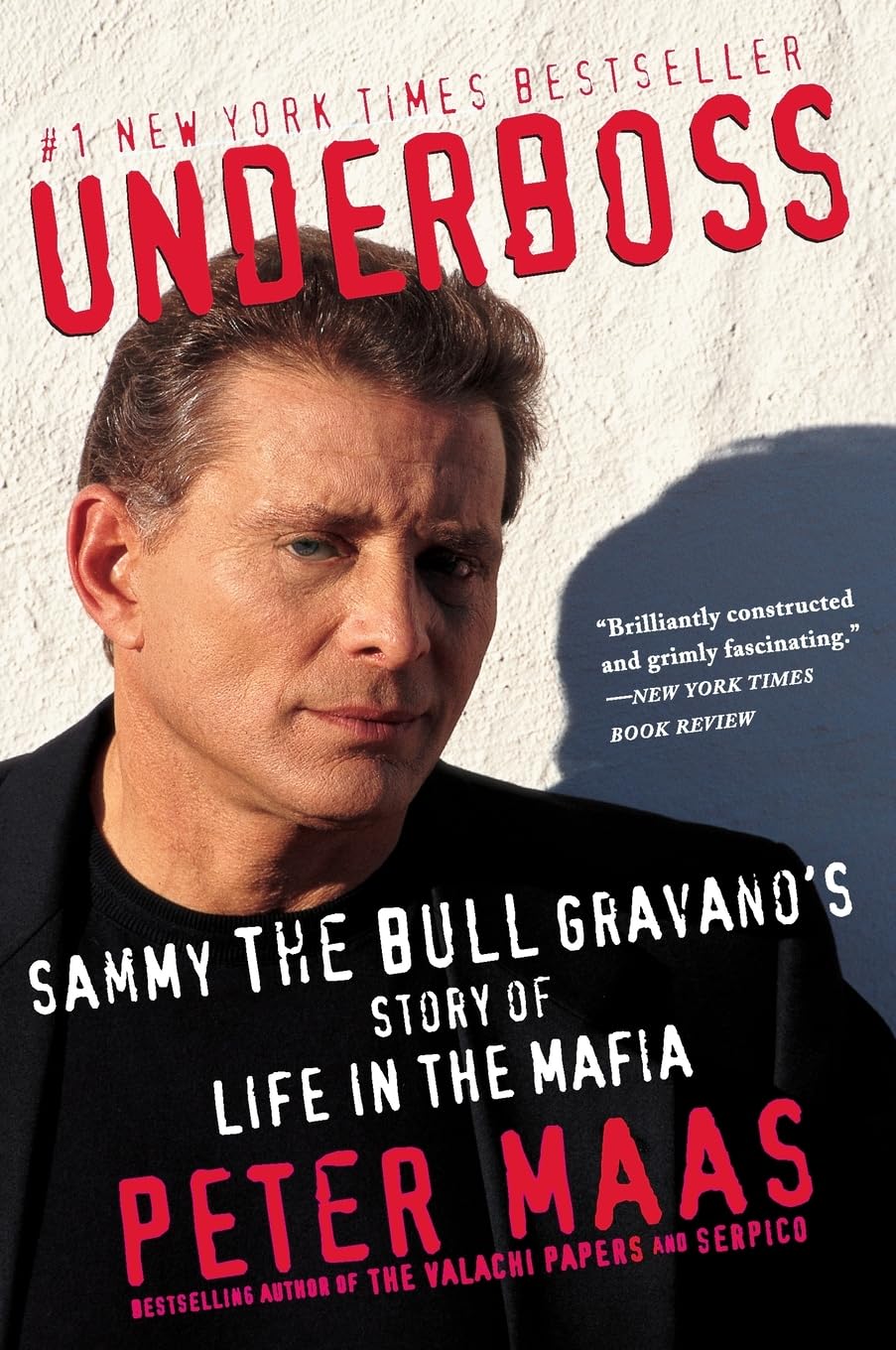
Underboss: Sammy the Bull Gravano’s Story of Life in the Mafia
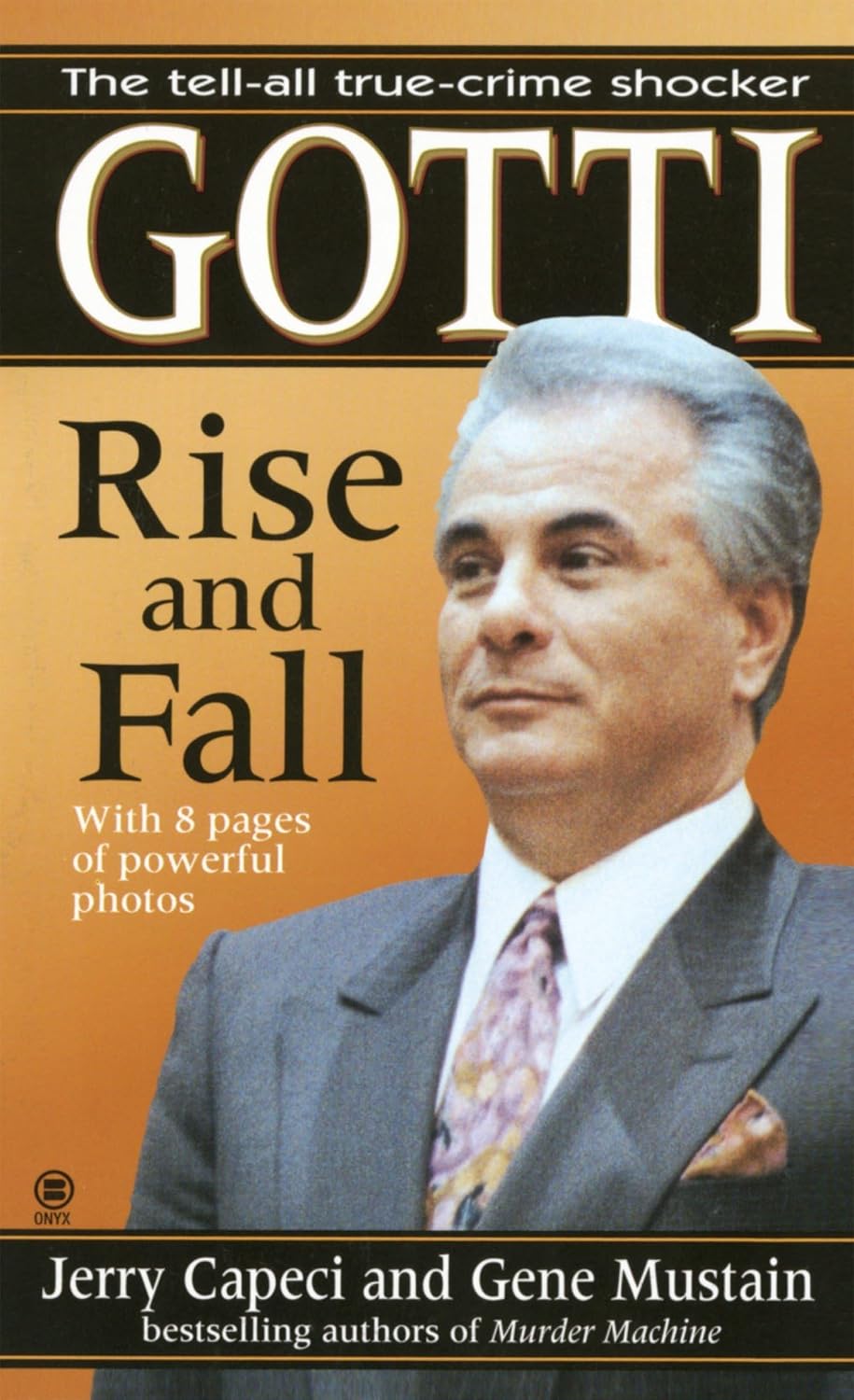
Gotti: Rise and Fall
References
-
[1]John GottiTier 1SupportsMentionsView source ↗
-
[2]United States sentencing position discussing Salvatore Gravano cooperationTier 1MentionsSupportsView source ↗
-
[3]Charges Against Gambino Associate for 1990 Murder of Suspected InformantTier 1MentionsSupportsView source ↗
-
[4]United States v. LoCascio (2020)Tier 1MentionsSupportsView source ↗