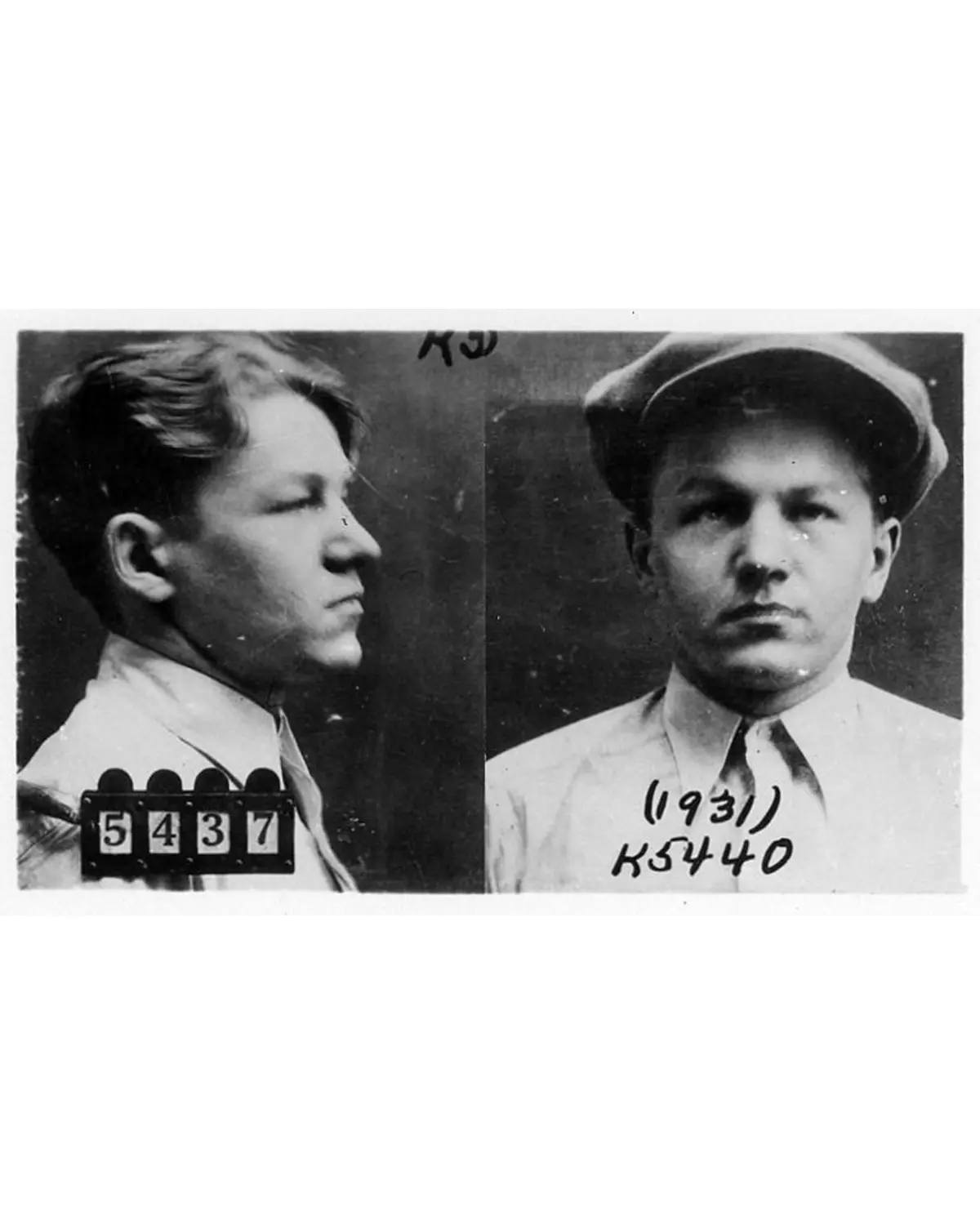
A July 24 report called Nelson Public Enemy No. 1 after Dillinger's death, while an October 23 AP/Washington Star clipping preserved by the FBI said the Justice Department elevated him after Pretty Boy Floyd's death. The label was historically used, but a single uncontested formal designation date is not established.
Date and place
The available chronology places the event on or around 1934 at United States.
What the record establishes
The surviving record supports the core sequence summarized above. Where the underlying sources describe allegations, disputed roles or later recollections, those claims remain attributed rather than converted into established fact.
Connected chronology
Evidence note
The structured record draws on Nelson Promoted — To ‘No. 1 Enemy’ By Floyd’s Death (FBI Vault); Government Concentrates Hunt for 'Baby Face' Nelson (The Reporter-Telegram / Texas Tech University newspaper archive). Where sources conflict, the narrower claim is preferred until the discrepancy is resolved.
Why it matters
A manhunt event documents the law-enforcement response and should be separated from assumptions about guilt for unrelated offenses.
Documented chronology
People and organizations in the graph
This event is connected to the connected entities recorded in the Master graph. Those links are useful because the event page is not intended to stand alone: it acts as a dated junction between the relevant Person, Organization, Case and Location pages. A relationship shown here is only carried into the graph when the underlying entity record supports it; proximity in the same criminal milieu is not treated as proof of participation.
Source note
Why this event belongs in the wider timeline
Following the connections
Evidence base
The current chronology is supported by FBI Vault — Nelson Promoted — To ‘No. 1 Enemy’ By Floyd’s Death; The Reporter-Telegram / Texas Tech University newspaper archive — Government Concentrates Hunt for 'Baby Face' Nelson. The wording here stays within those records: allegations remain attributed, law-enforcement descriptions are identified as such, and convictions or other adjudicated outcomes are stated separately. Additional archival or primary material can deepen the page later without changing the canonical identity of the event.
What the record establishes — and what it does not
A July 24 report called Nelson Public Enemy No. 1 after Dillinger's death, while an October 23 AP/Washington Star clipping preserved by the FBI said the Justice Department elevated him after Pretty Boy Floyd's death. The label was historically used, but a single uncontested formal designation date is not established.
Claims beyond the cited record are not treated as established without additional evidence.
People and groups in this story
Don’t stop here
References
- Nelson Promoted — To ‘No. 1 Enemy’ By Floyd’s Death · FBI Vault
- Government Concentrates Hunt for 'Baby Face' Nelson · The Reporter-Telegram / Texas Tech University newspaper archive