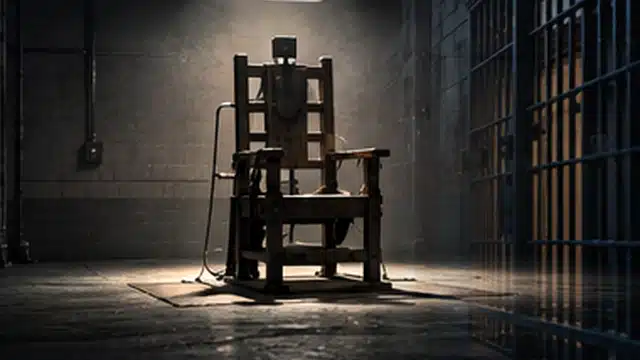
On March 25, 1997, Florida attempted to execute Pedro Medina using electrocution. The procedure became a documented example in the modern U.S. history of botched executions.
What happened
During the electrocution, flames rose from Medina’s headpiece and smoke filled the chamber. Subsequent reviews focused on the condition and application of the conducting sponge and headpiece assembly.
Result
The immediate result was that Pedro Medina died after flames erupted from the electric-chair headpiece. This is an important distinction in the broader history of execution failures: some botched procedures ultimately kill the prisoner after a prolonged or visibly problematic process, while others are abandoned and leave the prisoner alive.
Why the case is classified as botched
The Death Penalty Information Center’s historical compilation uses a research definition centered on breakdowns or departures from execution protocol that produce unanticipated problems, delays, possible unnecessary suffering, or gross operational incompetence. The Pedro Medina case fits that framework because the intended electrocution process did not proceed in the controlled manner the state expected.
Historical context
The event page is kept separate from the person profile so later work can attach the correct prison, execution protocol, court litigation, officials, method history and state-level death-penalty context without overloading the biography.
Sources
– Death Penalty Information Center — Botched Executions (case entry for Pedro Medina)
People and groups in this story
Don’t stop here
References
- Florida — Death Penalty Information Center · Death Penalty Information Center · View source ↗
- Florida State Prison · Florida Department of Corrections · View source ↗
- Media Briefing Schedule for Execution of Daniel O. Conahan Jr. · Florida Department of Corrections · View source ↗
- Botched Executions · Death Penalty Information Center · View source ↗
- Methods of Execution · Death Penalty Information Center · View source ↗