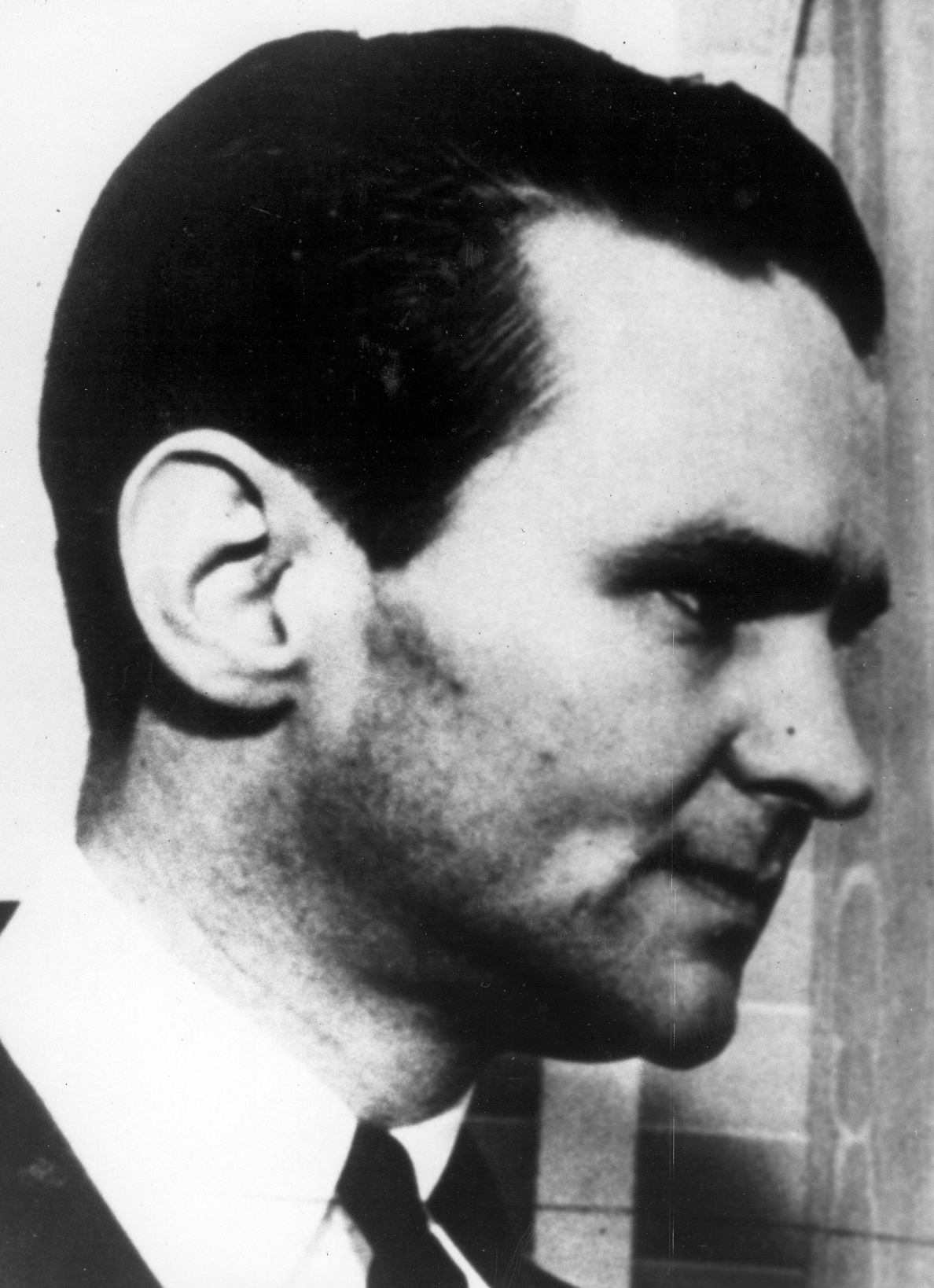
Melvin Horace Purvis II became one of the most recognizable federal investigators of the Depression-era gangster period. A lawyer from South Carolina, he joined the federal Bureau of Investigation before it formally became the FBI and eventually became special agent in charge of the Chicago office. His public reputation was built around a handful of dramatic manhunts in 1934, especially the operations that ended with the deaths of John Dillinger and Charles “Pretty Boy” Floyd.
The Chicago office and the Dillinger hunt
Purvis’s role in the Dillinger case is sometimes simplified into the claim that he personally “got Dillinger.” The institutional record is more precise. The Chicago office operated under Purvis, while Inspector Samuel P. Cowley and a federal flying squad also played major roles in the national investigation. After Dillinger escaped from the jail at Crown Point, Indiana, in March 1934, federal investigators intensified the hunt. The failed raid at Little Bohemia in Wisconsin demonstrated both the danger of the gang and the difficulty of coordinating fast-moving intelligence.
The decisive break came in July. Anna Sage told investigators that Dillinger was likely to attend a Chicago movie theater with her and Polly Hamilton on July 22. FBI history records that Sage agreed to wear an orange dress so agents could identify her. Purvis and other agents covered the possible theaters. When Dillinger emerged from the Biograph Theater, Purvis gave a prearranged signal. Agents Charles B. Winstead, Clarence O. Hurt and Herman E. Hollis fired after Dillinger moved toward an alley and reached for a weapon. Dillinger was fatally wounded.
Purvis’s name became inseparable from the incident, but the historical record is strongest when the operation is treated as a team action rather than a single-man story.
Pretty Boy Floyd
Only three months later, Purvis took part in another famous federal manhunt. After Adam Richetti was captured in Ohio, authorities concentrated on finding Charles “Pretty Boy” Floyd. On October 22, 1934, four federal agents led by Purvis and four local officers were searching rural roads near East Liverpool, Ohio. The FBI account says Floyd emerged from behind a corn crib armed with a .45-caliber pistol. Officers fired and mortally wounded him.
That operation reinforced Purvis’s national reputation. Newspaper coverage and Bureau publicity turned the slightly built Southern lawyer into a symbol of the new federal campaign against mobile bank robbers and interstate fugitives.
Public fame and the Bureau
Purvis’s fame became unusual for a federal agent. He was publicly associated with the “G-man” image at the very moment when the Bureau was expanding its legal powers and building a national law-enforcement identity. The publicity created a complicated relationship with FBI Director J. Edgar Hoover, whose institutional style emphasized centralized authority and Bureau loyalty rather than celebrity around individual agents.
Purvis left government service in the mid-1930s. In later life he worked in law, business and broadcasting and remained a public figure because of the Dillinger and Floyd cases. His name continued to appear whenever the gangster era was retold.
Death
Purvis died in Florence, South Carolina, on February 29, 1960. Contemporary reporting preserved in the FBI Vault described his death as a self-inflicted gunshot wound. He was 56.
Why this profile matters
Sources
– Federal Bureau of Investigation — Chicago Field Office History. – Federal Bureau of Investigation — John Dillinger. – Federal Bureau of Investigation — Kansas City Massacre and “Pretty Boy” Floyd. – Federal Bureau of Investigation — The FBI and the American Gangster, 1924–1938. – FBI Vault — Melvin Purvis records and preserved contemporary reporting.
Timeline and case connections
The Master record keeps events separate from general biography so arrests, convictions, organizational changes, killings and other milestones can be updated without rewriting unrelated parts of the page.
1934-07-22 — Dillinger killed outside the Biograph Theater. Purvis and federal agents staked out Chicago theaters after Anna Sage supplied information on John Dillinger's plans. Dillinger was shot by agents after leaving the Biograph Theater.
1934-10-22 — Pretty Boy Floyd mortally wounded in Ohio. A search team of federal agents led by Purvis and local police encountered Charles 'Pretty Boy' Floyd near East Liverpool, Ohio; officers shot and mortally wounded Floyd.
1960-02-29 — Death of Melvin Purvis. Purvis died at his home in Florence, South Carolina. Contemporary reporting preserved by the FBI described a self-inflicted gunshot wound.
Status and record
The structured record lists the birth information as October 24, 1903 in Timmonsville, South Carolina, United States. The death record lists February 29, 1960 in Florence, South Carolina, United States. Cause: Gunshot wound. Contemporary reporting preserved in the FBI Vault described Purvis’s death as a self-inflicted gunshot wound.
Books and screen
Evidence and editorial boundaries
The profile is designed as a historical research node rather than a collection of unsourced anecdotes. Where evidence is strongest on an organization, prosecution or event rather than private biographical details, the page stays focused on that documented record.
Source record
The current Master package attaches the following sources to this profile: – The FBI and the American Gangster, 1924–1938 — Tier 1. – FBI Chicago History — Tier 1. – The FBI: A Centennial History, 1908–2008 — Tier 1. – Melvin Purvis Part 2 of 2 — FBI Vault, Tier 1. – Kansas City Massacre and “Pretty Boy” Floyd — Federal Bureau of Investigation, Tier 1. – Melvin Purvis — FBI Vault, Tier 1. – John Dillinger — Federal Bureau of Investigation, Tier 1.
Source entries establish the claims for which they are cited; their presence does not mean every source supports every sentence. Structured references are retained so later audits can trace claims back to evidence.
Key events
Born
Birth of Melvin Purvis.
Dillinger Escapes Crown Point Jail
Dillinger escaped the Lake County Jail, took weapons and fled in the sheriff’s car; crossing a state line in the stolen vehicle expanded federal…
Lake County Jail, Crown Point, IndianaDeath of Pretty Boy Floyd
Charles “Pretty Boy” Floyd was killed near East Liverpool, Ohio, during a law-enforcement search led by Bureau of Investigation agent Melvin Purvis with local…
Death
Death of Melvin Purvis.
Portrayed on Screen
Public Enemies
Portrayed by Christian Bale.
References
-
[1]John DillingerTier 1SupportsMentionsView source ↗
-
[2]The FBI: A Centennial History, 1908–2008Tier 1MentionsView source ↗
-
[3]Melvin PurvisTier 1MentionsView source ↗
-
[4]Biograph Theater in the 1930sTier 1SupportsView source ↗
-
[5]FBI Chicago HistoryTier 1MentionsView source ↗
-
[6]Kansas City Massacre and “Pretty Boy” FloydTier 1SupportsMentionsView source ↗
-
[7]The FBI and the American Gangster, 1924-1938Tier 1SupportsMentionsView source ↗
-
[8]TimelineTier 1SupportsView source ↗
-
[9]Telegram of SAC Melvin Purvis to Director Hoover, March 3, 1934Tier 1SupportsView source ↗
-
[10]Melvin Purvis Part 2 of 2Tier 1MentionsView source ↗
-
[11]John Dillinger Part 1 of 3Tier 1SupportsView source ↗
-
[12]Statement of Ernest Blunk, March 3, 1934Tier 1SupportsView source ↗