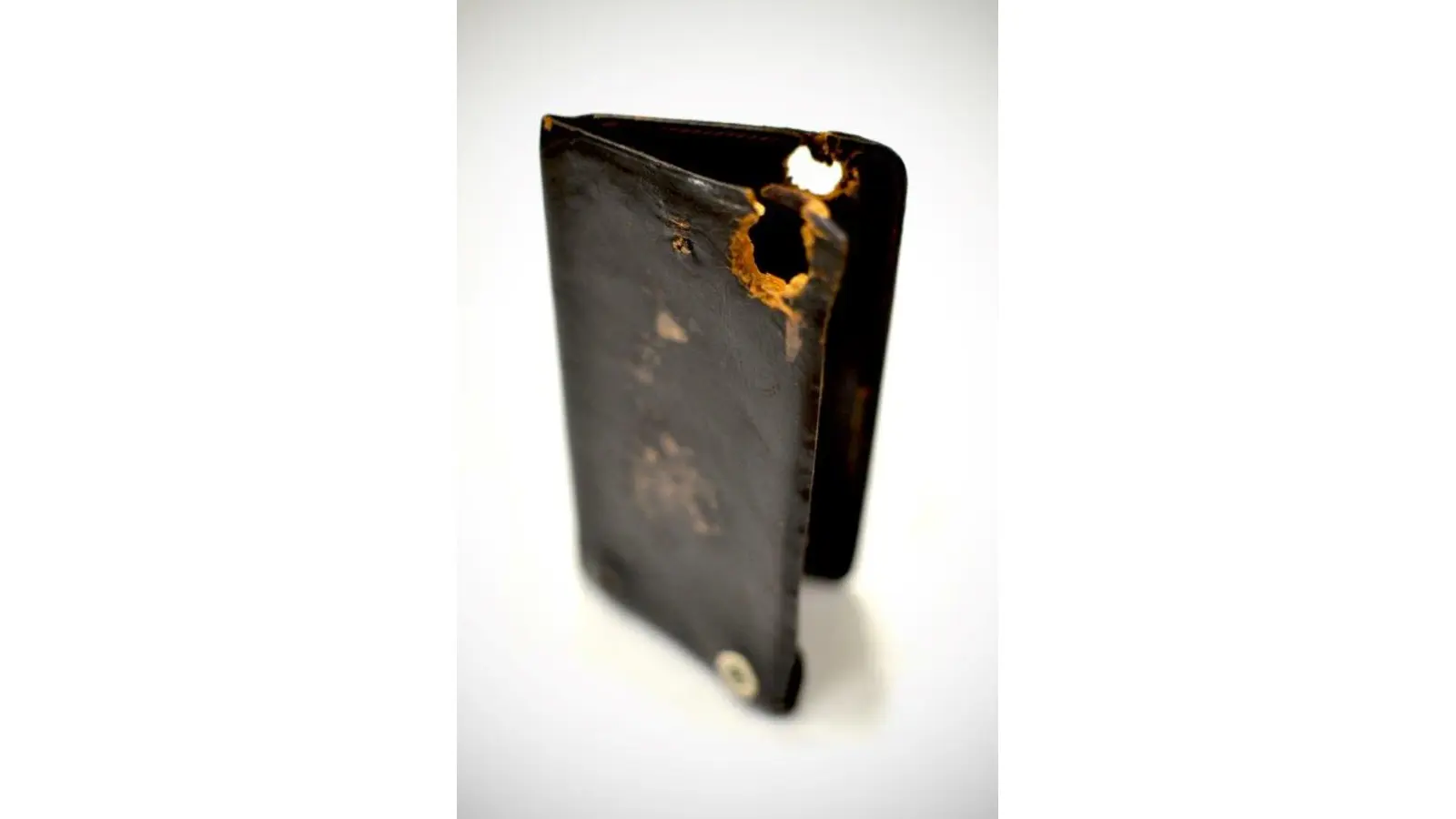
The Barker–Karpis Gang was one of the most important Depression-era criminal networks pursued by the Bureau of Investigation in the first half of the 1930s. It combined bank and train robberies with interstate flight, false identities, safe houses and two major kidnappings for ransom. The gang's history also became closely tied to the development of federal forensic methods and to the expanding public image of the Bureau that would soon become the FBI.
A network rather than a single family
The popular label “Barker Gang” can be misleading. The organization was not simply Ma Barker directing her sons. Federal records identify Alvin Karpis and members of the Barker family as central figures, but the wider network included people such as Fred Barker, Arthur “Doc” Barker, Volney Davis, Harry Campbell, Fred Goetz, Russell Gibson and other associates.
An FBI artifact history describes the gang as thriving from roughly 1931 to 1935 and says that at its height the network involved about twenty-five people. Its crimes included bank and train robberies, auto theft and kidnapping. That broader network model is more useful than the later folklore that turned Kate “Ma” Barker into a criminal mastermind. Sources can establish that she traveled with and assisted her sons, but claims about operational command require much more caution.
The Hamm kidnapping
The gang moved into a different category of federal attention with the kidnapping of William A. Hamm Jr., president of the Theodore Hamm Brewing Company, in St. Paul in June 1933. Hamm was seized after leaving work and eventually released after payment of a ransom exceeding $100,000.
The case became historically important for more than the ransom. FBI Laboratory examiners used the silver nitrate method to develop latent fingerprints on ransom notes. Because perspiration leaves salts behind, the chemical process could reveal prints on paper where conventional fingerprint powder was ineffective. The Bureau later presented the Hamm case as a landmark success for this technique. Fingerprint evidence tied members of the Barker–Karpis network to the kidnapping even though the operation itself had initially appeared highly controlled.
The Bremer kidnapping
In January 1934 the gang kidnapped St. Paul banker Edward G. Bremer Jr. He was held for about three weeks and released after a $200,000 ransom was paid. Investigators gained important evidence from the crime scene and the kidnappers' movements. Arthur “Doc” Barker's fingerprint was found on a gasoline can recovered along the route, and the investigation gradually connected a larger circle of associates to the crime.
The Bremer case intensified the national search. Members of the network separated, traveled across the country and used false identities. Some attempted to alter their appearance and fingerprints. Ransom money moved through associates as investigators traced bills, communications and contacts.
The Chicago arrests and Lake Weir shootout
By early 1935 federal investigators were closing in. Doc Barker was arrested in Chicago on January 8. Other associates were located soon afterward. During one confrontation Russell Gibson was fatally wounded. Evidence recovered in Chicago included a map pointing investigators toward Lake Weir, Florida, where Fred Barker and his mother Kate were staying in a rented house.
On January 16 Bureau agents surrounded the property and demanded surrender. Gunfire followed. After a prolonged exchange, agents entered the house and found Fred Barker and Kate Barker dead. The episode became one of the most dramatic confrontations of the Bureau's campaign against Depression-era gangs.
The shootout also helped create mythology. Newspaper and later popular accounts increasingly portrayed “Ma Barker” as the mastermind of the organization. The historical record is less certain. Her presence with Fred is established, but the degree to which she planned crimes is disputed.
Karpis remained at large
The collapse of much of the gang did not immediately end the hunt. Alvin Karpis remained a fugitive. He had already been involved in robberies and the Hamm and Bremer kidnappings and became one of the most prominent remaining public enemies pursued by federal agents.
In 1936 investigators located Karpis in New Orleans. On May 1, Director J. Edgar Hoover joined agents during the arrest operation. Karpis was taken into custody and returned to St. Paul. He eventually pleaded guilty in the Hamm kidnapping case and received a life sentence. He spent many years in federal custody, including at Alcatraz, before later parole.
Why the gang matters
The Barker–Karpis story sits at the intersection of crime history and law-enforcement history. The gang's kidnappings helped demonstrate how interstate crimes could create a stronger federal role. The investigation highlighted forensic fingerprint work, coordinated searches across jurisdictions and the Bureau's growing effort to present itself as a modern national police organization.
The gang was dangerous, but its importance is not improved by turning it into folklore. The strongest story is already in the record: a mobile criminal network that escalated from robbery into kidnapping, left forensic evidence on carefully prepared ransom material, fragmented under investigation, and became part of the institutional transformation of federal law enforcement during the 1930s.
People who shaped this story
References
-
[1]A Byte Out of History: Closing in on the Barker/Karpis GangTier 1MentionsSupportsView source ↗
-
[2]A Byte Out of History: The Alvin Karpis CaptureTier 1MentionsSupportsView source ↗
-
[3]Barker-Karpis Gang and Russell Gibson's NotebookTier 1MentionsSupportsView source ↗
-
[4]Barker/Karpis GangTier 1MentionsSupportsView source ↗
-
[5]Barker/Karpis Gang — FBI Vault collection descriptionTier 1SupportsView source ↗
-
[6]Bremer Investigation Summary Part 01 (Final)Tier 1MentionsView source ↗
-
[7]Bremer Investigation Summary Part 01 (Final)Tier 1SupportsView source ↗
-
[8]The Barker-Karpis Gang / NARA Kansas City newsletterTier 1SupportsView source ↗