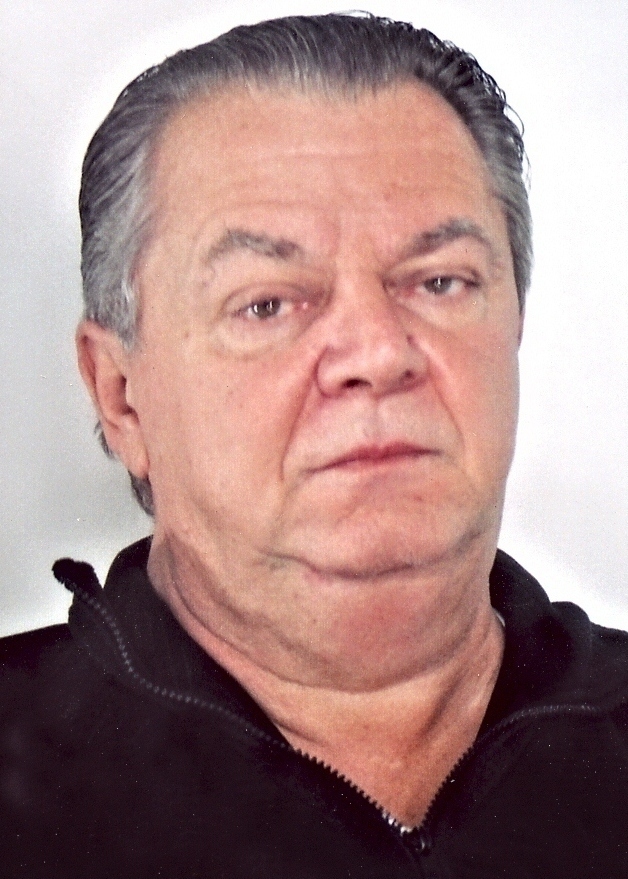
Joseph Massino became the dominant Bonanno crime family boss of the 1990s and early 2000s by doing something the organization badly needed after years of chaos: rebuilding discipline. He later became historically important for the opposite reason. After his conviction, Massino broke with the code he had enforced and became a federal cooperating witness, the first sitting boss of one of New York’s Five Families to do so.
Massino was born in New York in 1943 and rose through the Bonanno organization during the period when Philip “Rusty” Rastelli was the recognized boss. The family he entered was deeply unstable. Joseph Bonanno’s departure had left years of factional conflict. Carmine Galante’s rise and murder created another leadership crisis. Then the FBI’s Donnie Brasco operation exposed how deeply law enforcement had penetrated the organization.
Rising after Donnie Brasco
The Donnie Brasco Undercover Operation, 1976–1981 damaged the Bonanno family both operationally and psychologically. FBI agent Joseph D. Pistone had entered the orbit of figures such as Dominick “Sonny Black” Napolitano and spent years gathering evidence while posing as a criminal associate.
Massino survived that period and became increasingly important to the Rastelli faction. Where the Brasco scandal demonstrated how loose personal introductions could become a security disaster, Massino later emphasized secrecy and tighter internal controls.
He also benefited from attrition. Rivals were murdered, imprisoned or removed from influence. Rastelli spent much of his tenure in federal custody. By the time Rastelli died in 1991, Massino was positioned to take over the family.
Rebuilding the Bonanno family
Massino’s leadership was notable for its low profile. Federal prosecutors described him as the official boss of the Bonanno Crime Family. Under his direction, the organization rebuilt enough strength to become a serious law-enforcement target again after years when other Mafia families had viewed the Bonannos as compromised and unstable.
Massino reportedly discouraged the casual use of the family’s traditional name and tried to reduce behaviors that made members easy to identify. None of that transformed the organization into a legitimate enterprise. Federal cases tied the family to racketeering, murder, extortion, gambling and other crimes.
The Bonannos’ return to influence also created a paradox. The organization appeared more disciplined than it had during the Galante and Brasco crises, but federal investigators had become far more capable at attacking Mafia leadership through RICO prosecutions, cooperating witnesses and electronic evidence.
Conviction and cooperation
Massino was arrested and prosecuted in a major federal racketeering case. Prosecutors presented evidence tying him to the Bonanno enterprise and to murders carried out in the family’s internal struggles. He was convicted in 2004 and faced the possibility of further prosecution carrying the federal death penalty.
He then made the decision that transformed his place in Mafia history: he began cooperating with the government.
That step was especially significant because Massino was not merely a low-level member seeking a reduced sentence. He had been the recognized boss of a New York Mafia family. His cooperation gave prosecutors access to testimony from someone who had participated in leadership decisions at the highest level of the organization.
Massino later testified against former associates, including men who had risen within the Bonanno hierarchy after his arrest. Federal filings and court proceedings documented how information continued to move between incarcerated leadership and street-level figures, illustrating that imprisonment did not automatically sever a boss from organizational affairs.
From boss to witness
Massino’s cooperation represented the culmination of a long trend in American organized crime. Joseph Valachi had publicly broken Mafia secrecy in the 1960s. Later generations of captains, soldiers and underbosses became government witnesses as RICO prosecutions increased the cost of remaining silent. Massino pushed that process one level higher by cooperating after serving as a Five Families boss.
His sentence was later reduced after prosecutors credited his assistance. He was released from federal custody and lived outside prison for the final years of his life.
Massino died on September 14, 2023, at age 80 after a short illness.
His career forms one of the clearest arcs in the modern Bonanno story: from the wreckage left by internal warfare and Donnie Brasco, to a rebuilt and more secretive family, to a federal prosecution that ended with the boss himself becoming a witness. In that sense, Joseph Massino’s rise and fall captures both the resilience and the structural vulnerability of the late-twentieth-century American Mafia.
Death
Joseph Massino died on September 14, 2023 in Glen Cove, New York, United States. The documented cause of death was Short illness.
Documented network
Bonanno Crime Family (organization): Federal prosecutors identified Massino as official boss of the Bonanno family.
Philip Rastelli (person): Massino rose within the Rastelli faction and ultimately succeeded Rastelli as boss.
Donnie Brasco Undercover Operation, 1976–1981 (event): Massino’s later leadership was shaped by the institutional damage caused by the Pistone infiltration.
Dominick “Sonny Black” Napolitano (person): Napolitano’s crew was central to the Donnie Brasco infiltration that preceded Massino’s consolidation of power.
Timeline and case connections
Structured events are separated from general biography so a later audit can change a date, conviction, killing, organizational split or court outcome without rewriting unrelated portions of the page.
Date not specified in current profile sources — Donnie Brasco Undercover Operation, 1976–1981. Massino’s later leadership was shaped by the institutional damage caused by the Pistone infiltration.
September 14, 2023 — Death of Joseph Massino. Massino died at age 80 after years outside prison following cooperation and resentencing.
Status and record
The structured birth record lists January 10, 1943 in New York City, United States. The death record lists September 14, 2023 in Glen Cove, New York, United States. Cause: Short illness. Massino died at age 80 after years outside prison following cooperation and resentencing.
Books and screen
Source record
The Master package currently attaches these sources to the profile: – Bonanno Family Leadership and Joseph Massino — U.S. Attorney’s Office, Eastern District of New York, Tier 1. – Bonanno Organized Crime Family Prosecution — U.S. Attorney’s Office, Eastern District of New York, Tier 1. – Joseph Massino — Reference biography, Tier 3.
The presence of a source does not mean it supports every sentence. Claim-level references remain in structured data for later audits.
Evidence and editorial boundaries
For living subjects in particular, legal status and allegations require dated evidence. Future expansion should come from stronger records, court material, archives or newly processed canonical entities rather than generalized crime lore.
Key events
Born
Birth of Joseph Massino.
New York City, United StatesDeath
Death of Joseph Massino.
Donnie Brasco Undercover Operation, 1976–1981
The FBI long-term undercover operation in which agent Joseph D.
People, groups and places
Books connected to Joseph Massino
As an Amazon Associate, RoguesBook earns from qualifying purchases through the edition links below.

King of the Godfathers: Big Joey Massino and the Fall of the Bonanno Crime Family
References
-
[1]FBI Tampa HistoryTier 1SupportsView source ↗
-
[2]Joe Pistone, Undercover AgentTier 1SupportsView source ↗
-
[3]Bonanno Family Leadership and Joseph MassinoTier 1MentionsSupportsView source ↗
-
[4]Bonanno Organized Crime Family Racketeering ConvictionsTier 1SupportsMentionsView source ↗
-
[5]International Brotherhood of Teamsters Union CaseTier 1SupportsView source ↗
-
[6]Joe PistoneTier 2SupportsView source ↗
-
[7]Joseph MassinoTier 3MentionsSupportsView source ↗